
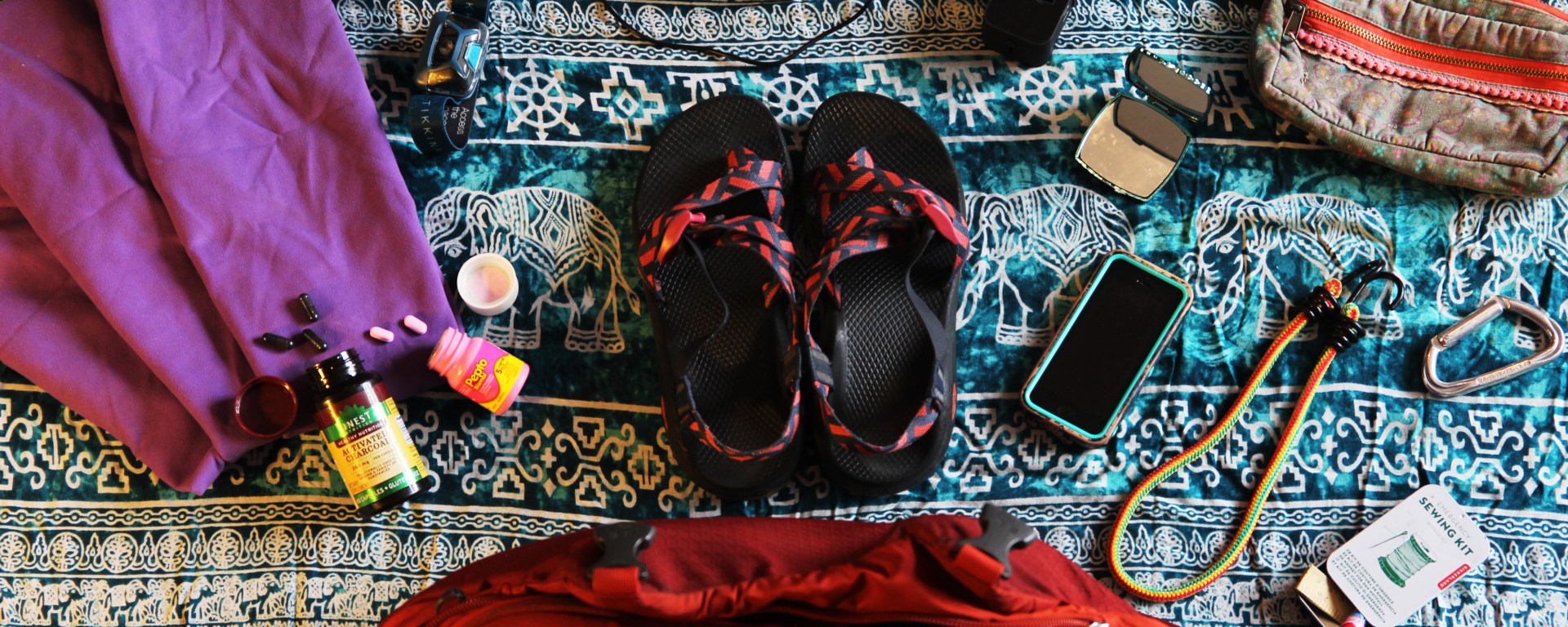
Let me begin with a disclaimer: there are much more thorough and exhaustive packing lists out there, including this one by the late Hippie in Heels. Not to mention, of course, depending on the destination, individual packing lists will vary greatly. Activated Charcoal, for instance, will be of far less utility on holiday in the South of France than backpacking in rural Bolivia.
Everything in life is based on a learning curve, and backpacking is no exception. Aside from the basics (clothing, toiletries, mosquito repellent, etc.), this list is a compilation of a few items that I found particularly practical in my six month adventure around India and Southeast Asia. Some of the items on this list are a bit more obvious, but most are things that I didn’t really understand or appreciate the use of until I’d had a little more experience on the road. A few of these don’t receive top-billing on the packing lists I’ve seen, but are what I personally found the most useful in my own travels.
An Unlocked Phone
My American phone is locked under contract, and I wasn’t really too keen on the idea of jailbreaking it. So before leaving San Francisco I went on Craigslist and found a reasonably priced unlocked iPhone SE, and I can now say it was one of the better decisions that I made pre-takeoff.
In most countries, it’s absurdly simple and affordable to buy a SIM card and data package. The clerk at the phone shop or credit kiosk will slip it into your phone, and Voilà! You have service. You can usually find provider kiosks at the airport upon landing if you’re really antsy to stay connected, though you’ll pay a higher price there.
Southeast Asia is fairly easy to navigate, and you could definitely survive without a data package while traveling there. I grabbed them for Thailand and Vietnam, choosing to forgo them while in Laos and Cambodia. India is definitely not as backpacker-friendly, and I was extremely grateful to have service/data during my time there.
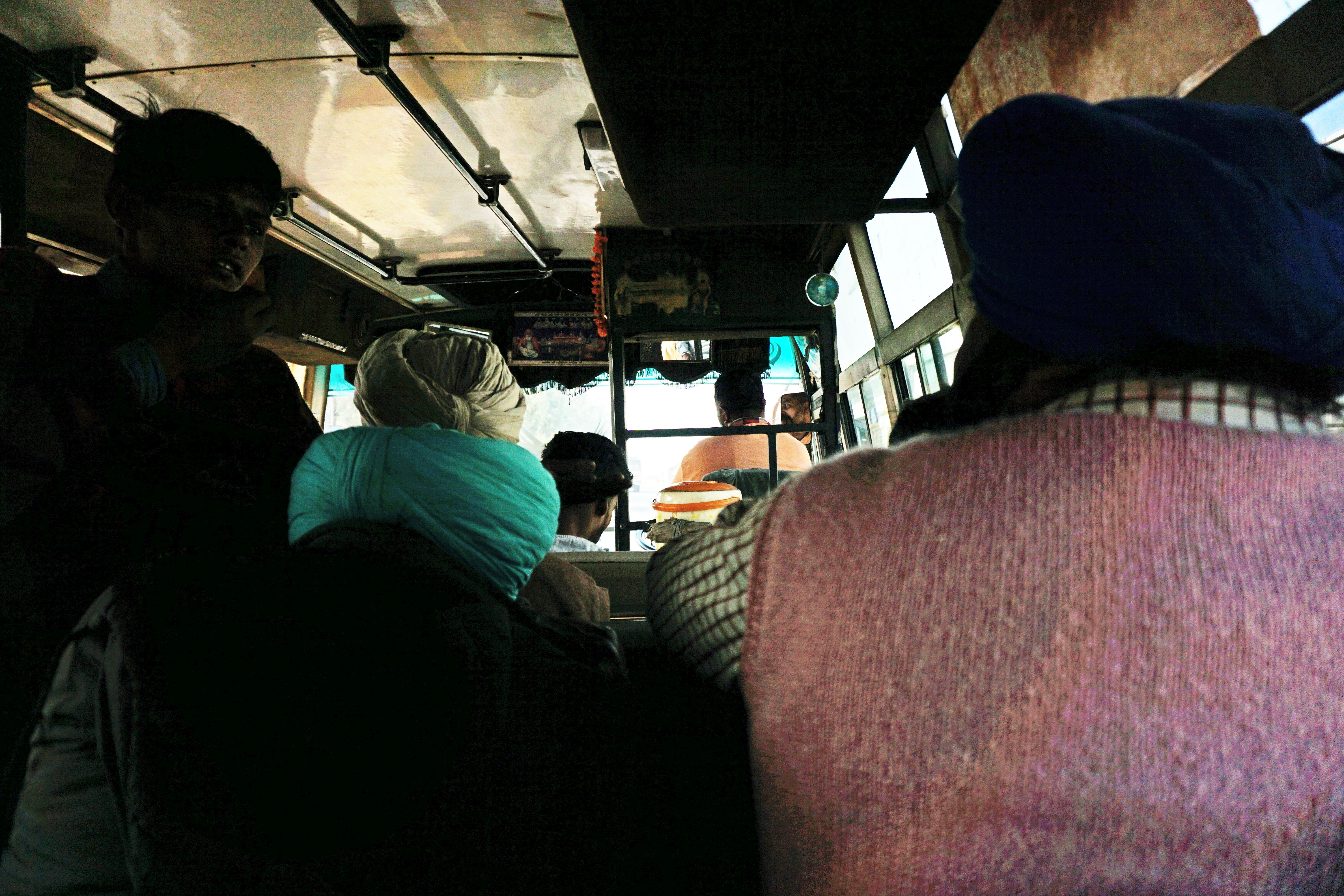
The nature of travel is unpredictable, and you never know what kind of pickle you’re going to find yourself in. Plans can change at a moment’s notice, and it’s nice to be able to contact friends and family or have the means to book accommodation last minute if need be. Having access to data can be very reassuring, and lessens some of the hiccups and pitfalls that are inherent to life on the road.
Having phone service is invaluable as well; it comes in handy to have a domestic number to get in touch with a local establishment, like phoning reception at an off-the-beaten-path hostel when Google Maps is throwing you curveballs in trying to find it.
I’ve met a lot of backpackers who’ve skipped it ‘for the sake of adventure.’ Not to burst their bubble, but if you’re traveling with a smartphone (which 99.9899% of people are), the ruse of ‘roughing it’ is kind of over anyway. Technology exists for a reason, right? And when it’s so cheap and and convenient to have data at your fingertips while on the road, why not make use of it?
A Backpack That Meets Carry-on Standards
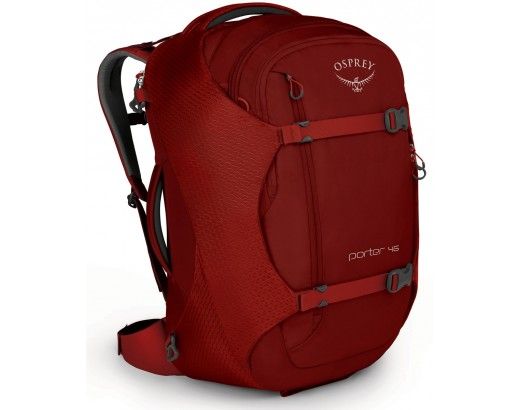
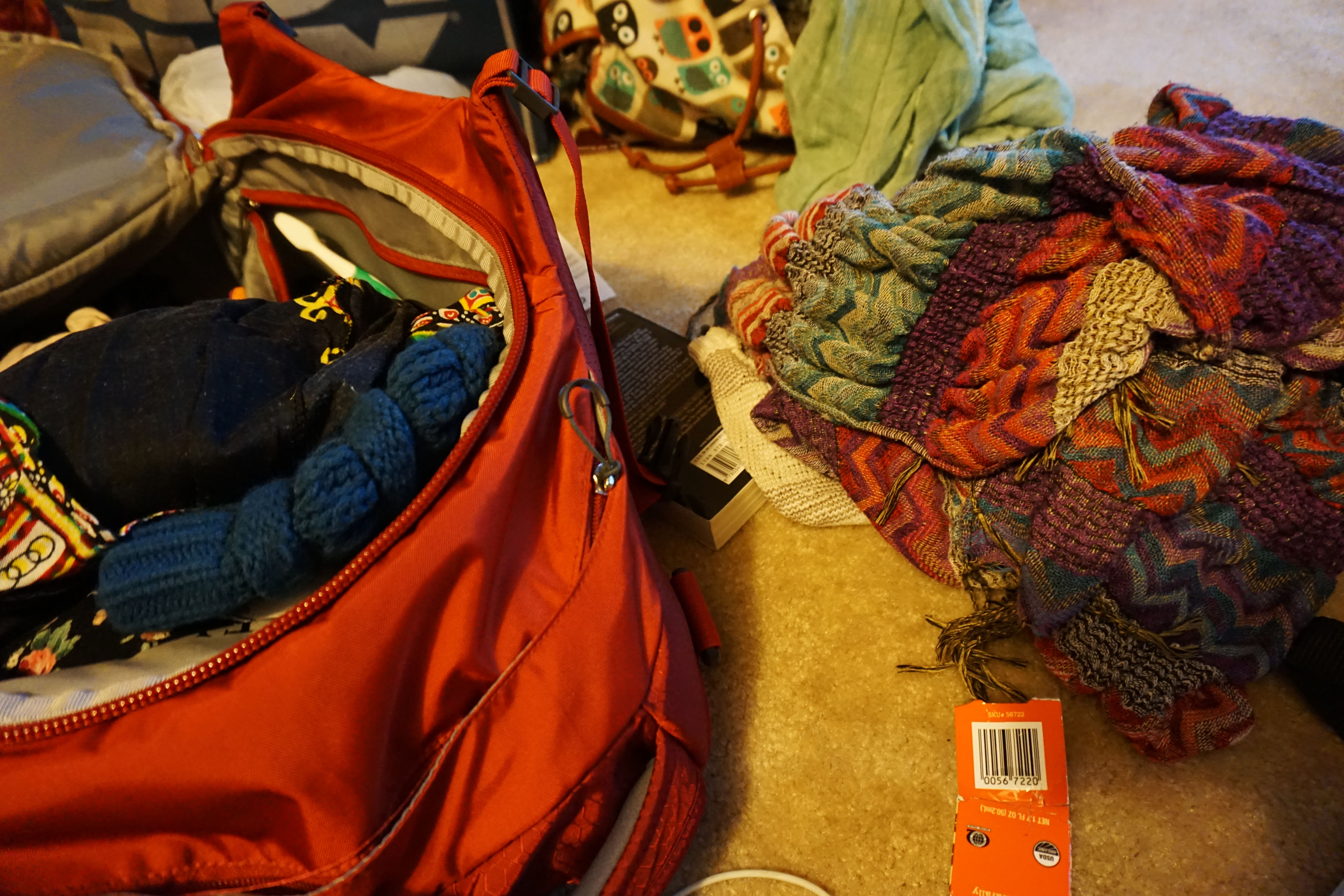
While the Osprey line is immensely popular among backpackers in general for their solid construction and generous warranties, part of the Porter 46’s allure for me is that it can always fit as a carry-on, no matter how absurdly stuffed to capacity.
I owe a lot to my little red pack—shoutout to Mom for scouring the net and talking me into buying one, versus the colossal rolling suitcase I’d been wheeling around before. It’s saved me a lot of money and time, in terms of scratching checked baggage fees and allowing me ease of disembarkment upon landing. I never have to worry about my bags being lost, and am good to go as soon as I walk off the plane.
I also find this this bag’s construction preferable to other backpacks I’ve seen—the pack opens like a suitcase, and has padded sidewalls which lend to a sturdier shape and composition. As a habitual over-packer, I appreciate the limits of the Osprey’s petite frame: the Marie Kondo of bags, it forces me to be a minimalist, to carefully consider every object I’m taking with me. Whenever I see people hunched over with monstrous tortoise shells of bags strapped to them that are taller than they are, I always think—do you really need all of that?
Buttpack / Fannypack / Bumbag
As a child of the 90s with outdoorsy semi-hippie parents, I reviled ‘buttpacks,’ as my parents called them. They had an unnatural affinity for them when I was growing up, looking for any excuse to don a buttpack that they could find—on hikes through the wooded uplands of Southern Indiana, long bike rides through miles of tree-lined countryside near our home, or during week-long vacations at our lake in rural Tennessee/Kentucky. In traditional tweens style, I wrote them off in early adolescence as a heinously lame and weird thing that only out of touch adults were into, socially conditioned to believe they were the pinnacle of ‘uncool’.

Ah, the 90s—so bad it’s good again, amirite? Like their taste for oversized hooded jean jackets, my parents were ahead of the curve on that one, and I am now a proud convert to the wonders of the buttpack tradition.
It’s light, convenient, easy access, and simultaneously a little more secure than other bag options. With buttpacks, I don’t have to be as vigilant—it’s a little pouch that hangs on your hips and stays there. No need for concern about misplacing it, and less apprehension about theft—I appreciate having this thing pegged to me, in the same easy to reach position at all times. I mainly carry only the millennial holy trinity—phone, keys, wallet. (If I can, I’ll usually try to squeeze a small thing of hand sanitizer or sunscreen in there as well.)
One of my tricks to avoid theft is tying a shirt or sweater around my waist, which helps to obscure the bag altogether. If I’m in a dodgier place, I’ll also only bring a limited amount of cash with me when I go out, leaving my wallet, passport, and other valuables in a locker at the hostel.

A Daypack
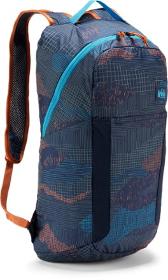
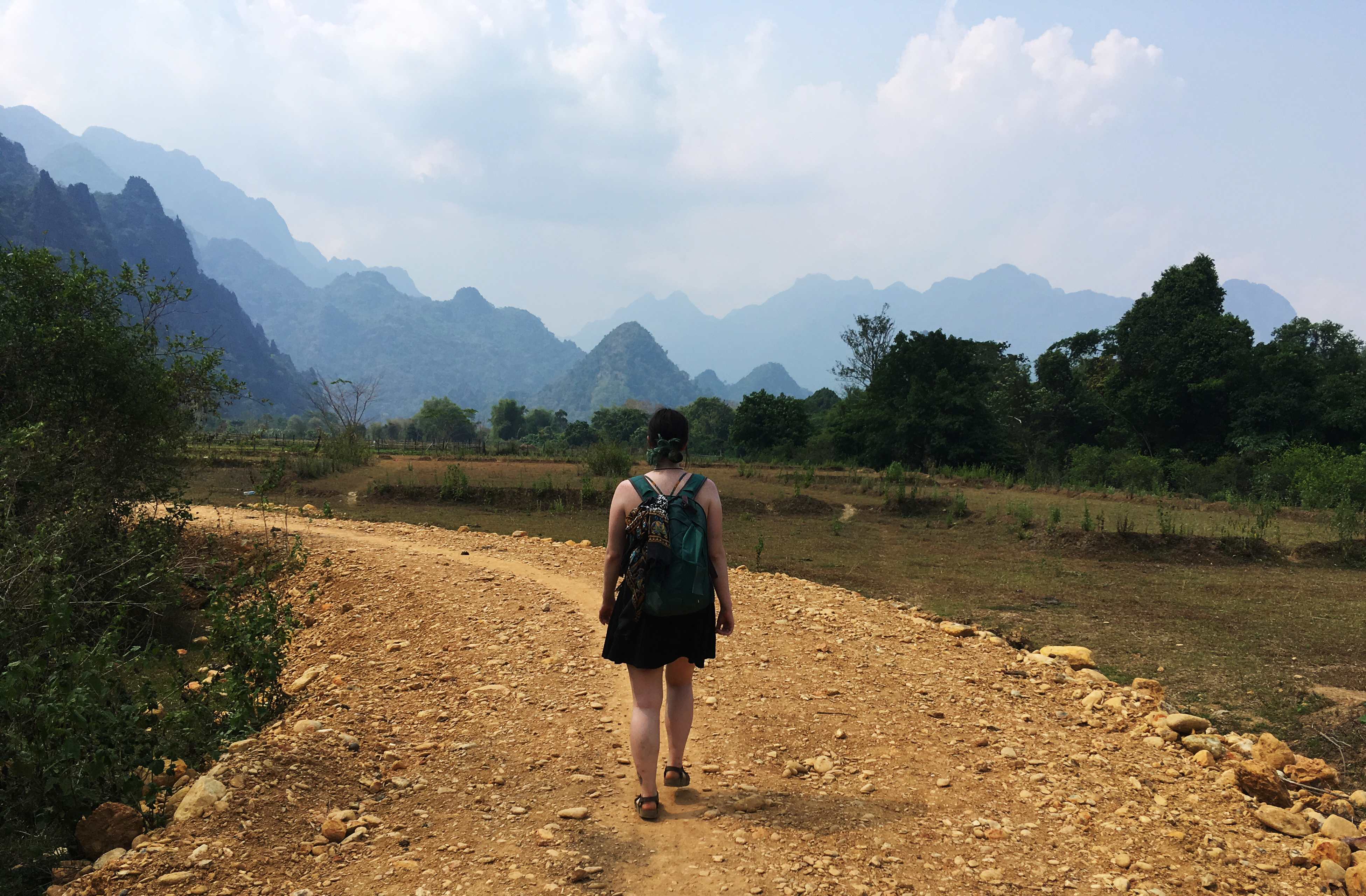
It’s necessary to have a smaller daypack with you when traveling, a lesson I learned within my first few days in Ecuador. Somehow it hadn’t occurred to me that I’d need something outside of my larger pack to tote my things around on a daily basis– like bottled water, snacks, sunscreen or clothes for layering, useful when spending entire afternoons wandering the quaint colonial streets of Cuenca or hiking the epic páramos of El Cajas National Park. My petite purse’s capacity was limiting, and I was constantly loading my friend’s backpack up with all my daily necessities as we headed out for the day. By the time we arrived in Quito, I realized it was high time to grab a daypack of my own.
Some of the larger Osprey packs have a built-in smaller backpack which zips to separate from the parent pack. As the Porter 46 doesn’t have this addition, I took a little fold-up pack from REI, a gift from my dad which could fit snugly into my larger bag. Nice as that was, I never folded it up again, in use for the duration of my trip. (So much for minimalism.)
Portable Charger / Power Bank
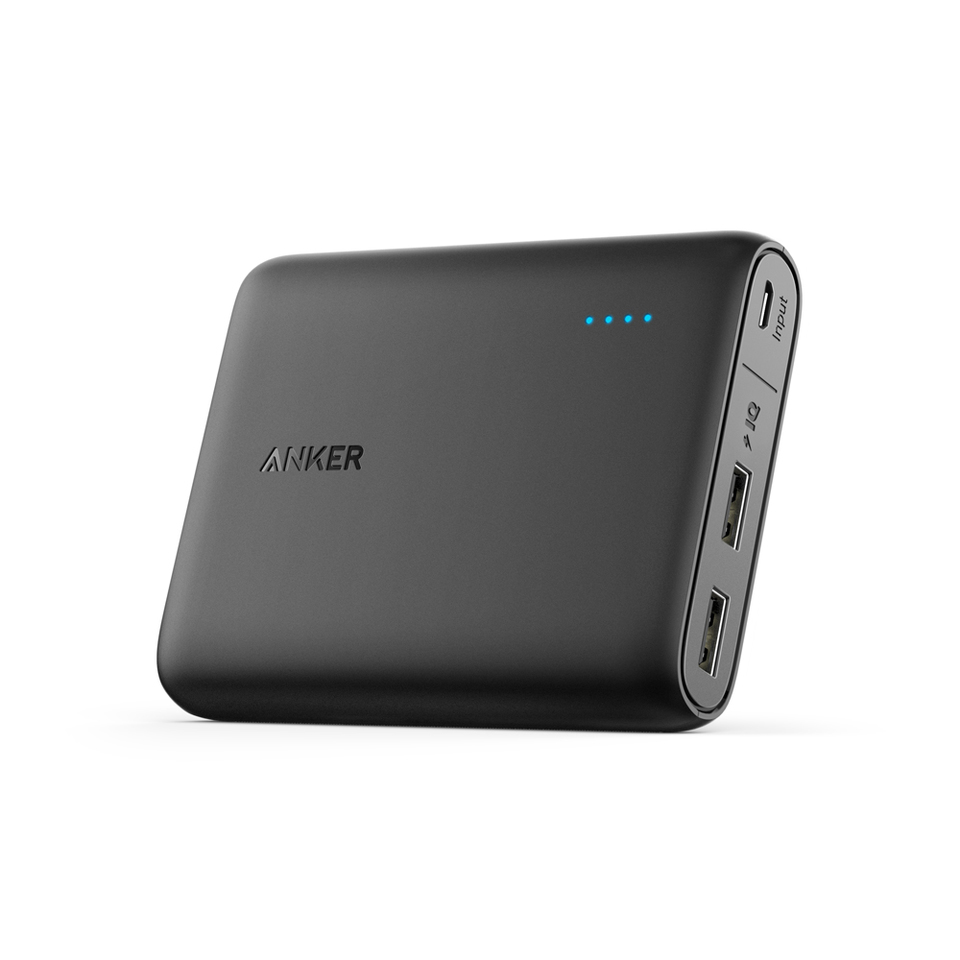
Despite being advised otherwise, I forwent purchasing a power bank before takeoff. To me it seemed an extraneous luxury; even when at home, I don’t mind letting my phone die sometimes, basking in the brief respite of disconnection. I guess I had some romanticized notion of staying ‘present’ while traveling, and figured having access to my phone all the time would distract from the experience.
Early on in India, my hubris came back to bite me in the ass. Staring out the window grows bit stale after a while, and on long bus and train rides I enjoyed listening to music and podcasts, reading things on my phone, or watching Netflix to pass the time. Being the only one with data between my traveling partner and I, I served as the de facto navigator—and once my charge dipped below 40%, I often felt like I had to put my phone away altogether, rationing out my usage until we arrived at our accommodation in our final destination.
Sometimes this was as early as 3 or 4 hours into a 16 hour journey. Yikes.
Especially as a solo female traveler, it’s generally a good idea to always have your phone charged. Aside from use in transit, power banks are a great addition to your daypack on a full day of sightseeing, as there aren’t always readily available power outlets. My camera battery tends to die pretty quickly, and it’s nice to be able to give it some juice while exploring, versus missing out on shots or having to return to the hostel to charge my camera back up. I finally caved and bought this power bank in the Phnom Penh airport.
Plug Converter
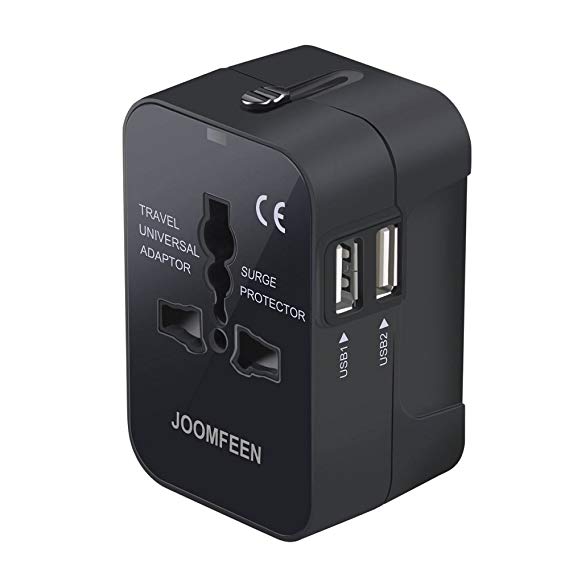
But, you know, duh. On this particular trip, I really only used my converter when I was in India, surprised to find that everywhere in South East Asia has North American style plugs. But still, I’d recommend an all-in-one converter that has multiple outlet types for different countries, like this one.
Bungee Cords and Carabiners
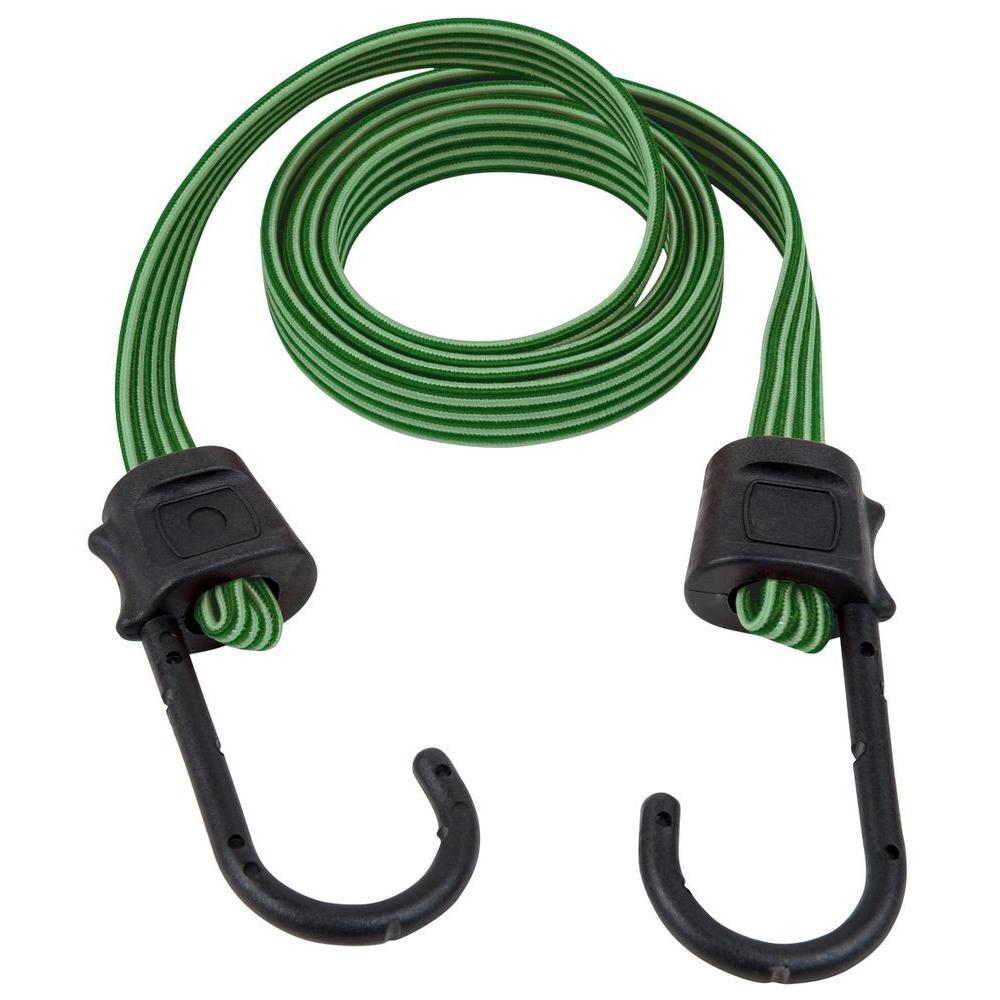
I remember seeing a bunk with a bungee stretched across it being used as a clothesline when I was in Ecuador a couple of years ago, and it struck me as pretty clever at the time.
I made a mental note that I would buy one before my next backpacking trip; fortunately for me, pairs of them were being sold on the cheap when I raided REI a week before I left. The bungee’s applications are endless. They definitely served as makeshift clotheslines a few times, but as my impedimenta continued to grow after months on the road, I used them to strap things to the outside of my pack which no longer fit in the bag—hiking boots, my hammock, travel pillow, etc.
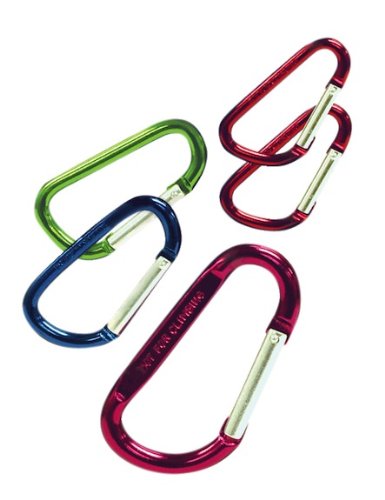
Carabiners are the same deal—you never know when you’re going to need them to hook something onto your bag. I bought and lost a couple of different water bottles on this trip, and ended up just keeping one permanently hooked onto my daypack.
Even if you don’t have a concrete idea in your head of what you’ll use these for, trust me—they’re a solid investment. When the time comes, you’ll know.
A Microfiber Towel
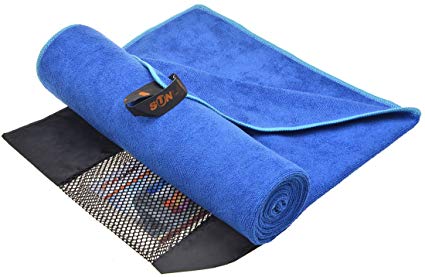
Another fairly obvious one that is sort of a backpacker prerequisite, but bears repeating for the uninitiated. While not quite as luxurious or satisfying a dry as a fluffy cotton blend, a microfiber towel will get the job done sufficiently. They’re light and dry quickly, and take up a lot less space in your bag.
A Quality Pair of Activewear Sandals
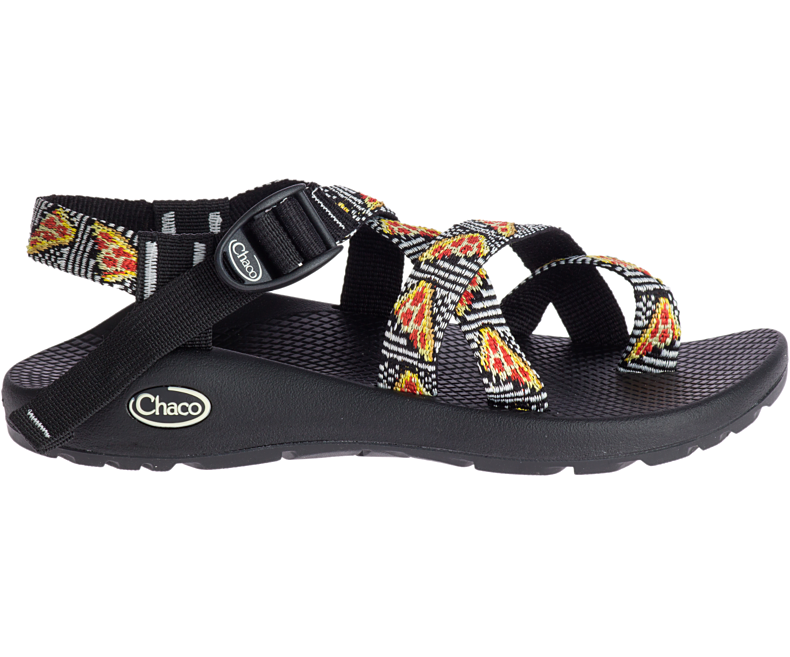
Asia is so boiling hot in most places that you’ll never want to be in close-toed shoes. I bought a pair of Chaco’s on the recommendation of a good friend who’s a prolific backpacker, though I’ve heard good things about Teva’s and Quecha’s as well. They’re a little pricey, but well worth it. (REI was having a sale the day of the aforementioned raid, so I lucked out.) They’re great all-purpose sandals, super comfortable and with a sturdy grip on the soles that will make you feel like a human gecko when hiking, effortlessly scaling boulders and hilly trails.
In terms of aesthetics Birkenstocks are far more stylish, but tend to fall apart when they get wet—that gorgeous leather won’t hold up for outdoor activities like creek-stomping or spelunking. I personally went with the single strap Chaco’s in the classic style, wearing them every day for about four and a half months.
Activated Charcoal
Food poisoning is one of the inevitable perils that come with traveling to an undeveloped country. If you’re traveling in a non-occidental country for a prolonged period of time, there’s a very good chance you will get it at least once. Accept it and be coo’.
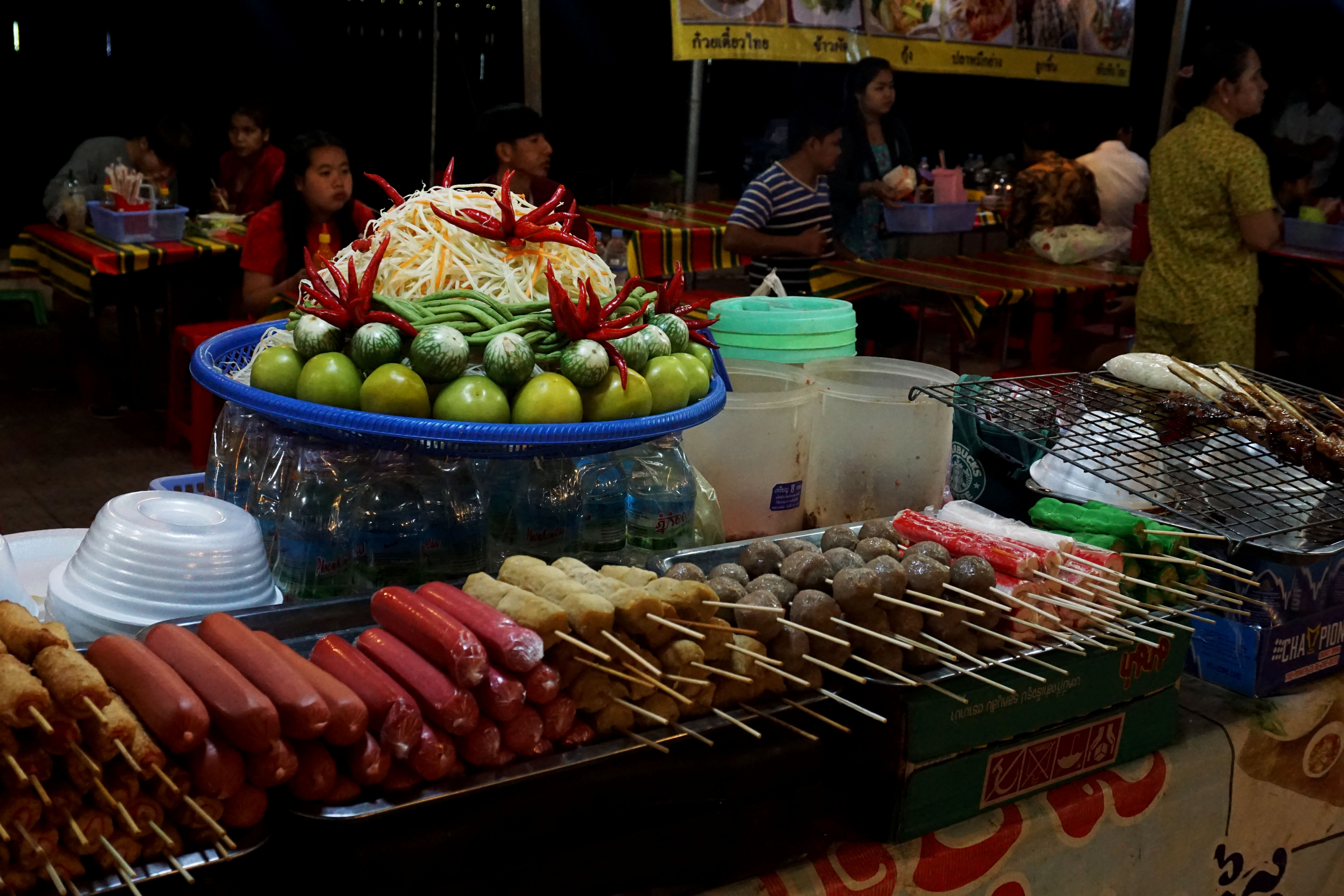
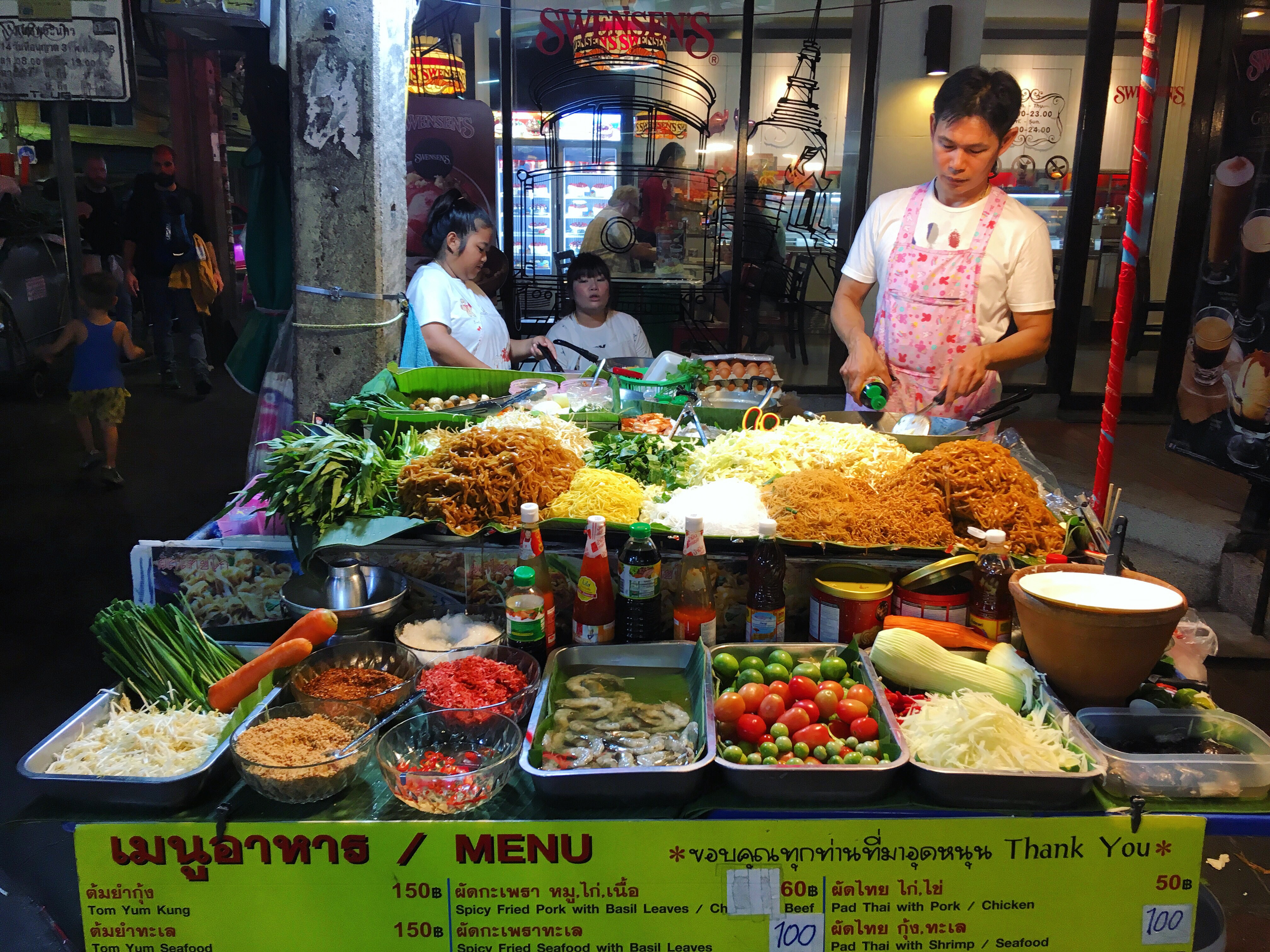
However, never let fear stop you from doing something you love—and for me personally, this includes diving in headfirst and indulging in the uncharted native cuisine of a new place. No risk, no reward, right? Night markets are a way of life in Asia, and meandering through them is one of the more delightful and authentic experiences one can have while traveling there. Don’t cheat yourself by letting paranoia of contracting a food borne illness stop you from sampling the plethora of intriguing culinary delicacies that these night bazaars have to offer. If anything, the food tends to be fresher there–especially in the more popular stands–and at least you can witness the preparation firsthand.
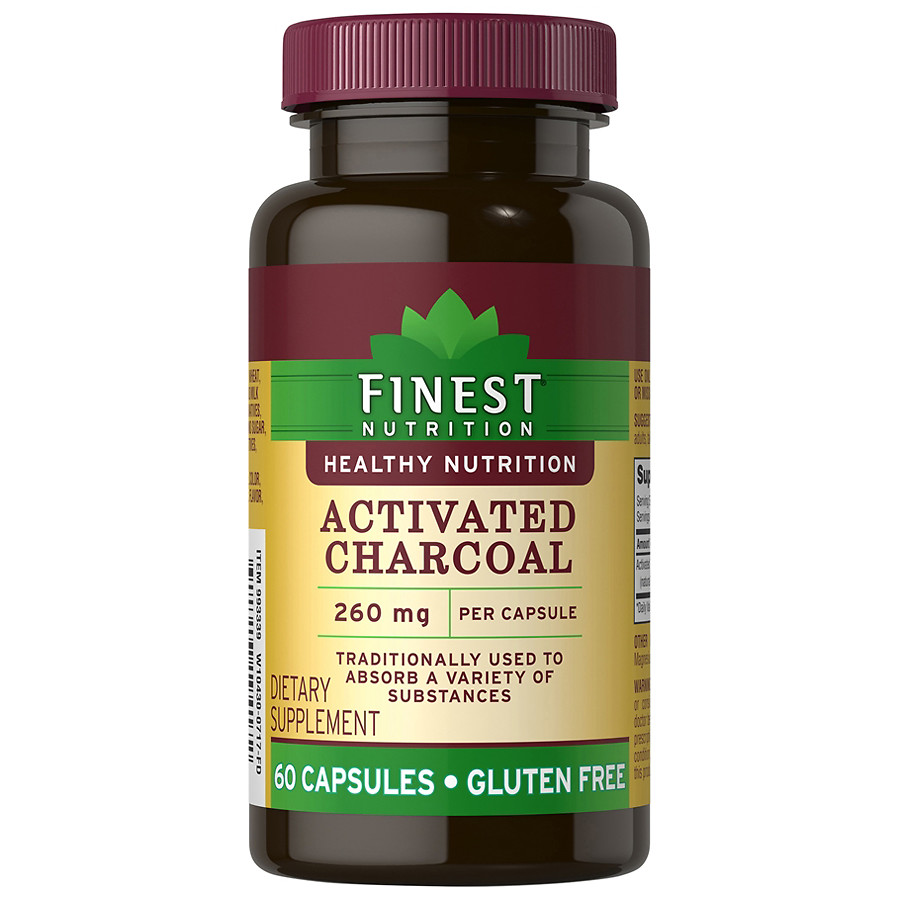
Activated Charcoal is a tried and true remedy that has been in use since the Ancient Egyptians, and when ingested acts to trap toxins and bacteria before they can be absorbed by the stomach. The activated charcoal itself is not digested, and the toxins exit your body through the natural process. (Thanks for the info, Healthline!)
My stomach was having a very hard time adjusting to the food in India, my first stop on the trip, and activated charcoal was my fiercest ally under some precarious dining circumstances those first couple of weeks. In my experience and that of other backpackers I’ve talked to, I’d say that it takes the average Western stomach about 2-3 weeks to adapt to the less exacting kitchen standards of underdeveloped countries.
Other tips to avoid food poisoning:
- #1 rule of thumb when sampling street food: stick to busy stands/stalls where you see lots of locals eating. The food—especially meat—is likely to be fresher in a place that is going through more product.
- In general, it’s best to opt for popular native dishes, particularly in more remote areas. Something that’s in higher demand and is being ordered more frequently will be fresher obviously, as well as better tasting. However noodle burnout is a very real thing, and if you’re absolutely craving something other than Pad Thai for the third meal in a row, I’d recommend consulting TripAdvisor. Odds are that you’ll have better luck finding more diverse dining choices in a bigger city, and until you find yourself in a metropolis, traditional favorites are generally your best bet.
- It’s definitely safer to go with non-meat dishes. Granted, the only time I got sick in 6 months was a veggie dish, but there’s less of an inherent hazard in vegetarian options.
Toilet Paper
This is particularly prevalent in non-First World countries, as the vibe is often BYOTP. For me, this applies more when actually in transit from Point A to Point B; I have stopped off at some positively grim roadside bathrooms, where a toilet is comprised of nothing more than a hole in the floor of a concrete stall. (Cell, more like.)
I found it best to keep it close to the top of my bag when in transit, easily retrievable when nature inevitably calls. Baby wipes aren’t a terrible idea either.

* * Remember to always throw your used toilet tissue in the trash in developing countries! For the most part, toilets usually don’t have quite the plumbing power of Western units, and blockages occur easily. Unless specifically stated otherwise, dispose of used TP in the garbage. (Or for a more environmentally friendly option, give the bum gun a whirl!)
Pepto Bismol

I generally try to avoid using Pepto in my day-to-day life. But on prolonged bus rides—a position you’ll frequently find yourself in, if trying to get around on a budget—there aren’t too many bathroom stops along most routes, if any. Especially on local or public buses.
The few sporadic pauses we had while riding sleeper buses in India were usually in rural, darkly lit areas where I wasn’t totally thrilled about disembarking—not to mention that there’s a good chance that the bus may legitimately take off without you. Both my friend and I separately almost got left behind in random small Indian villages, one of us having to run up front to scream at the driver as the bus started to pull away. (After the first time, we always went in shifts to be safe.)
This is where Pepto comes in handy. If you’re uncertain of what your potty situation is going to look like before a lengthy bus/train journey, it may not be a bad idea to pop a couple for good measure. I’ve had friends battling severe food poisoning who gulped down a few capsules to make it through an arduous commute, to limit their misery while in transit.
Never hurts to bring a bottle just in case. Better safe than sorry!
A Compact Mirror

This suggestion is a bit more ‘girly’-seeming in nature, but hear me out:
If you’re traveling in non-Western countries, accommodation is likely going to be a little more …basic. On more than one occasion you’ll probably find your lodgings without a mirror, especially if camping at all. Aside from its association with makeup application, a compact mirror is useful for a myriad of cosmetic and hygienic needs: flossing, plucking, removing eyelashes that get stuck in one’s eye, etc. For men, shaving is something that I imagine would be difficult without a reflective surface of some sort.
I was using the front-facing camera on my phone as a substitute for the longest time, but there are times when the pixelated refraction of a smartphone just won’t do the trick. I sometimes sought out windows as an ersatz mirror, which wasn’t exactly ideal either.
I’d guess that most of the ladies out there already have one or two items of makeup on-hand with a rudimentary mirror built into the lid—blush, bronzer, some eye shadow pallets. I unfortunately did not. I found a plain compact a bit more difficult to find abroad, though Japanese budget stores like Daiso and Moshi Moshi will have them (along with most anything else you could ever want).
Dental Floss
People are very black and white as far as their views on the necessity of flossing; I myself don’t quite feel Orbitz-clean without it. I’ve realized this is something of an American habit, having gone a torturous summer without proper floss while living in Spain three years ago.
I came prepared on this excursion with several cartons of Glide tucked way and thus never really bothered looking for it, but a number of friends told me that it’s quite difficult to find in Asia. So if you are a flosser, come prepared.
A Travel Sewing Kit
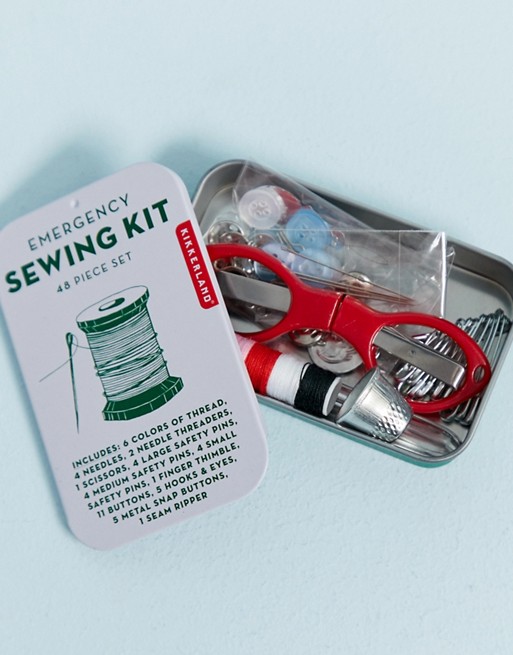
Another one which I view as an absolute necessity, a party that I was late to. Great to be able to patch your favorite sweater or pair of pants in a pinch while on the road.
Things That I Brought and Didn’t Really Use:
- Sleeping Bag Liner — a couple female Aussie chicks I’d met had said this was one of their most valuable purchases before their trip, great for when your bedding situations are a little sketchy: while in transit, or when the sheets at a hotel/hostel don’t seem the squeakiest of clean. I used it a bit in India, but not much after that.
- Travel Pillow — after the first month, I’d always end up using my sweater as a pillow. Though if you’re in need, this guy is pretty plush.
- Bike lock — I’d initially brought this to lock my bag to my chair on long bus and train rides, so as to keep my belongings secure. Truth be told, I never really felt it was necessary beyond my first paranoid week, and didn’t use it much after that.
Not Absolute Necessities, But Nice to Have:
- Laptop — indispensable for me, as I do a lot of writing on my computer, and particularly essential if you plan on working remotely. Also so much easier to book flights.
- External Hard Drive — used to back up photos from my camera and phone. I was lucky that my stuff was never lost/damaged/stolen, but always a good idea to back things up!
- Headlamp — I love my Petzl!
- A mini speaker — I didn’t bring one with me initially, but seriously. What a game changer.
- Hammock — great to have for camping etc. Especially if your itinerary involves naturalistic ventures, I’d recommend bringing one along.
- Mini, Portable Tripod — my tripod at home is far too bulky and heavy, so I picked up one like this at a mall in Chiang Mai.
Things That I Wish I’d Brought:
- A self-filtering water bottle, like a LifeStraw.
- More sunscreen! It’s insanely expensive in Asia.
Clothing-wise:
- A bathing suit! Silly me. I ended up buying one at H&M.
- A pair of cute shorts, jean material or otherwise.
- A pair of Birkenstocks, or other cute all-purpose leather sandals.
Being style-related, the last two definitely aren’t necessities— but still, much more difficult to come by on the road in my experience.
Essential Apps & Websites:
WhatsApp: Generally speaking, this will be the way you connect with everyone you meet while traveling—it’s the default mode of communication amongst internationals, as it’s done over WiFi and is universal across different phones, carriers, etc. Some people are more into using FB Messenger, and these days exchanging Instagram handles is really popular. However, WhatsApp remains the primary mode of communication among travelers.
- Hot tip: the phone number of the sim you’re using doesn’t have to match the number on the account, so you can continue using your domestic number if you want.
Maps.me: offline maps for the win! Download maps for the places where you’re going. Has saved my ass more than a few times when I didn’t have service.
Skyscanner: probably my favorite flight search engine, with lots of toggle options that help you find epic flight deals.
Rome2Rio: more useful in Europe, but ‘an online multimodal transport search engine’ which can help you find alternative routes from one destination to another.
Booking apps for websites like Booking.com, Hostelworld, and Agoda. I would always check Hostelworld for their reviews, they seem to be more in line with my tastes. Booking.com usually doesn’t charge a booking fee, which is great.
A budget-tracking app: For the most part, payments in India and Asia are made in cash. POS terminals are still a little cosmopolitan in this part of the world, and the average vendor doesn’t have the equipment to process cards. Even if they do have a credit card machine, there’ll be a 3% international transaction fee tacked on, on top of the total price; for this reason alone, it’s generally easier on your wallet to withdraw cash versus paying with card. (Unless you have a travel credit card, where they waive the transaction fee.)
Cash always tends to burn a hole in my pocket—for whatever reason, I tend to blow through physical money far more quickly. I decided to try and keep better track of my spending on this trip, wanting to be more cognizant of where exactly my money was going, and downloaded Tripcoin. A moderately simple interface, it helped make me more aware of my spending by logging my expenditures and staying more in line with my daily budget.
Grab: the Asian version of Uber, available in most large cities in Asia. If by yourself, do a GrabBike! Cheaper than a car, and a really fun way to get around.
Hope you found this helpful! Are there any items that you can’t live without in traveling? Tell me about them in the comments.
 blogdungsroman
One thought on “Things to Bring on a Backpacking Trip”