
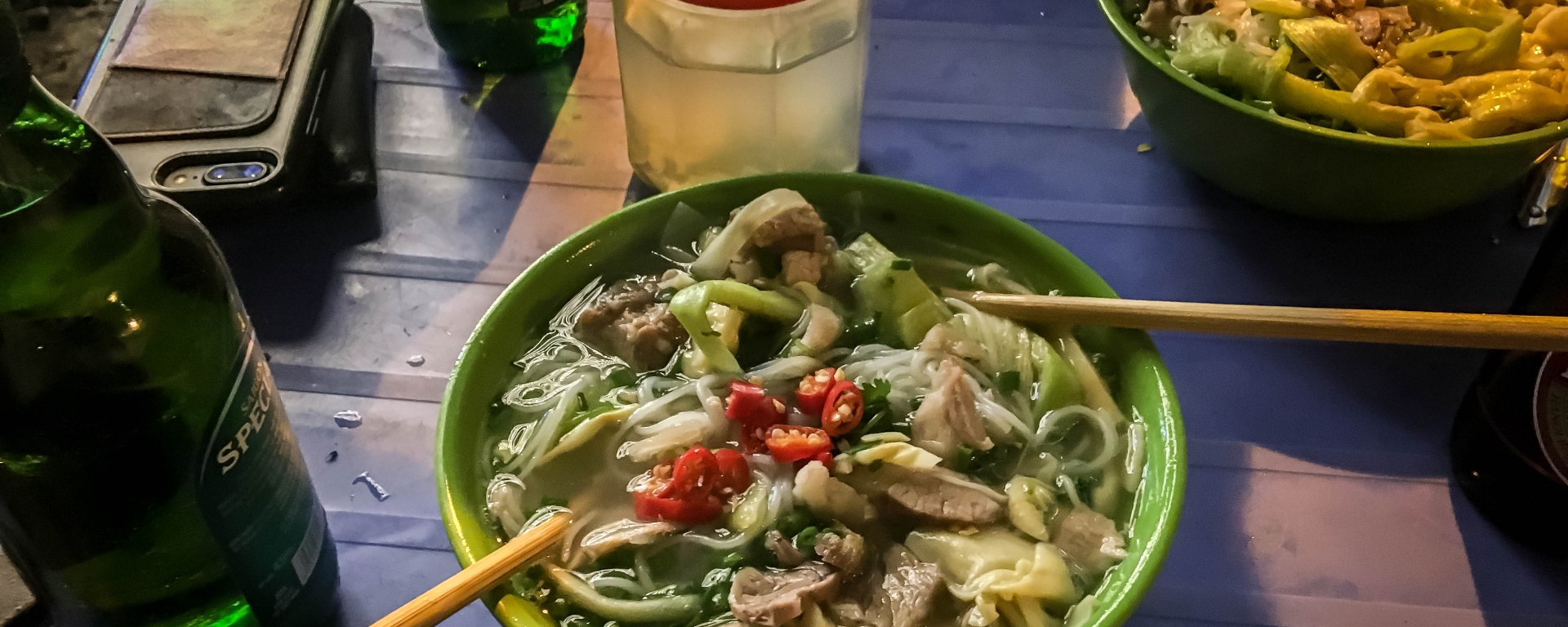
Hanoi is well known as the capital of the Northern Vietnamese culinary scene, and it certainly lived up to its name. More so than its neighboring countries, Vietnamese food felt zesty and fresh, leaning heavily on the addition of fresh herbs for flavoring more than spicy chilis or coconut milk, ingredients characteristic to other countries of Southeast Asia.
As a wannabe gourmand, I did a fair bit of food-related research while I was in town. I concentrated my efforts on the restaurants, shops and storefronts that received multiple mentions from different bloggers and/or had great reviews on TripAdvisor. The best guide is always your nose, and when you’re in the Old Quarter there’s an almost overwhelming variety of dining options, with more curbside favorites than you can shake a (chop)stick at.
Rule of thumb, as mentioned in my backpacker checklist, is to always go where the locals are—that’s where you’ll find the best grub. A Dutch friend of mine had been advised to pick the places with the most impressive collections of napkins on the ground—although not exactly environmentally friendly, it’s a good omen that it’s a popular spot with the local residents.
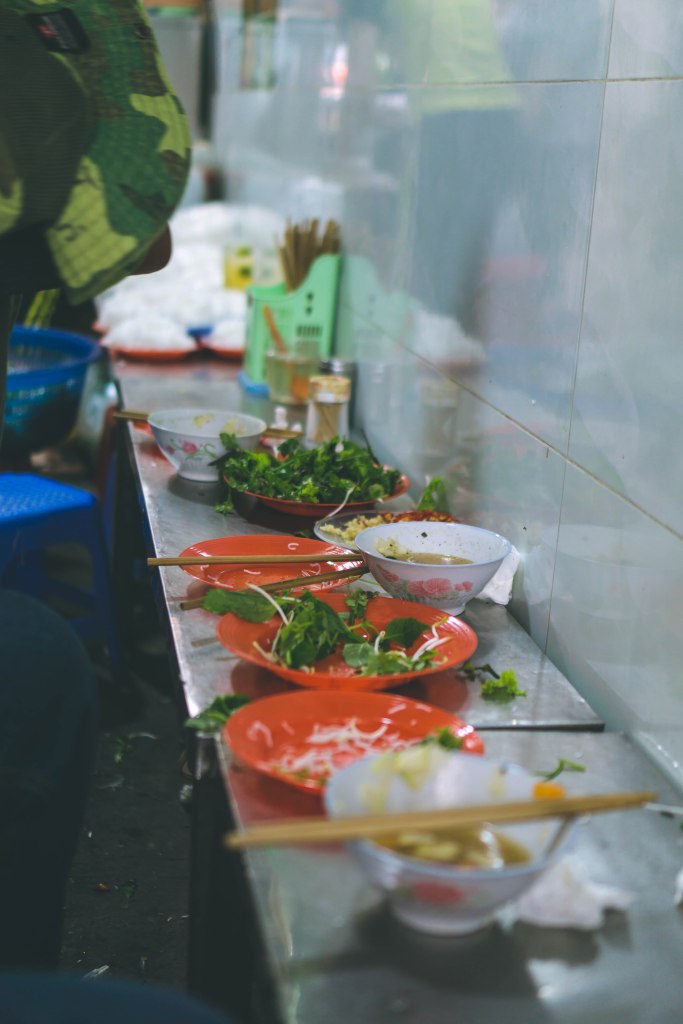
Fresh Herbs and Fish Sauce: Your Fiercest Dining Allies
Every meal from pho to spring rolls is complimented with a tiny bouquet of assorted sawtooth-leafed herbs in varying shades of emerald—usually any combination of spearmint, Vietnamese coriander, perilla, Thai basil, Vietnamese balm, and rice paddy herb. The verdant combination leaves one with an overall impression of citrus and mint, adding lightness and vigor to generally meat-heavy fare and really enhancing and maximizing all of a dish’s flavors. It can be a little intimidating to know exactly what to do when presented with these petite gardens, the average westerner left to consider if it’s a purely aesthetic garnish or provides some actual utility to the meal.
The answer is yes—toss them in wholeheartedly.
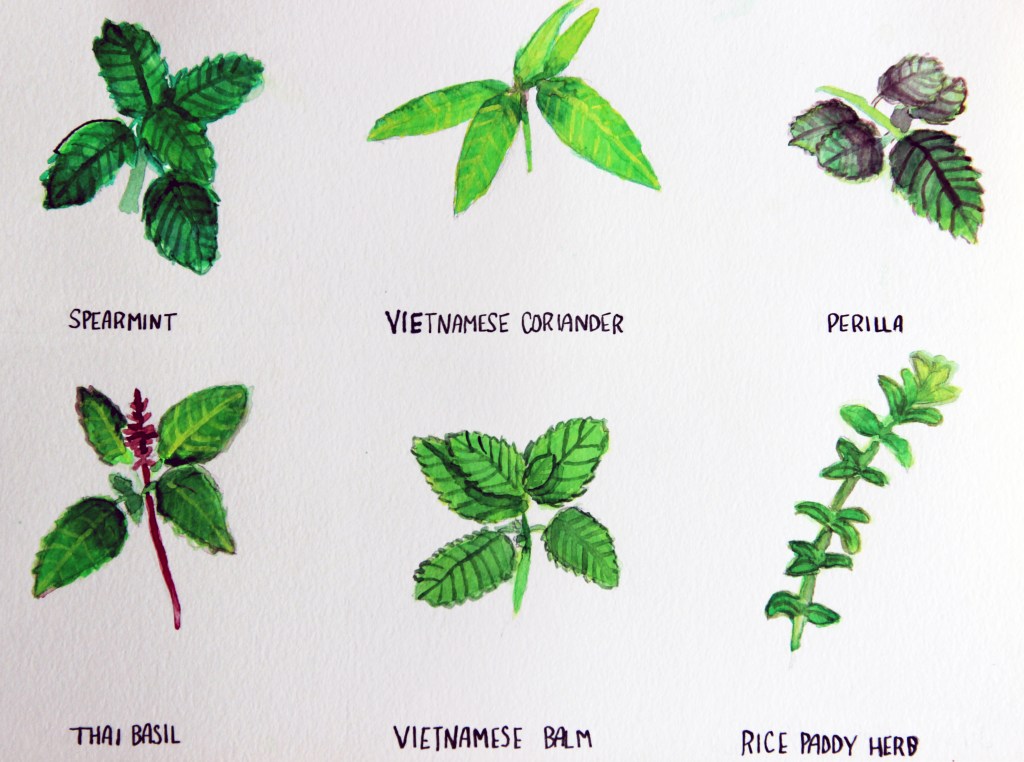
Vietnamese coriander is different from the cilantro/coriander we eat in the west, with more of a mild and refreshing flavor. Those of you cursed with the ‘cilantro tastes like soap’ gene may be in luck, as I personally mistook it for mint.
Even fish sauce (which I’m normally not a huge fan of) didn’t feel as heavy in Vietnam. A ubiquitous ingredient in Asian cooking, the beloved condiment is pervasive and ever-present, lurking among the ingredients list of pretty much any popular dish throughout Indochina. I’ve always been of the opinion that fish sauce should be a background player and shouldn’t overwhelm; like salt, a little goes a long way. More than a few of my meals in Laos had been ruined by being drenched with it—all of my attempts at Larb had been foiled by its funk, as well as a few disappointing papaya salads that a friend and I made the mistake of ordering in Luang Prabang.
Given my misgivings, I was surprised by how much I didn’t mind Vietnamese ‘fish sauce’. The Vietnamese version is a dipping sauce served with multiple meals, and a diluted version of the real thing. It’s almost like a watered-down sweet-and-sour sauce with a little more quirk. Lighter and tangier, even a little sweet, it’s not quite as gaggingly potent as what I’d been exposed to in other Southeast Asian countries. Although traditional fish sauce does serve as the foundation of the mixture, water, sugar and citrus lighten the flavor in a very positive way. As it often plays the role of a dipping sauce in most Vietnamese dishes, I’d recommend at least giving it a try.
In addition to all of the above, cucumber, bean sprouts and spice caddies generally have a way of finding their way onto your table.
Native Favorites
Pho (obviously)
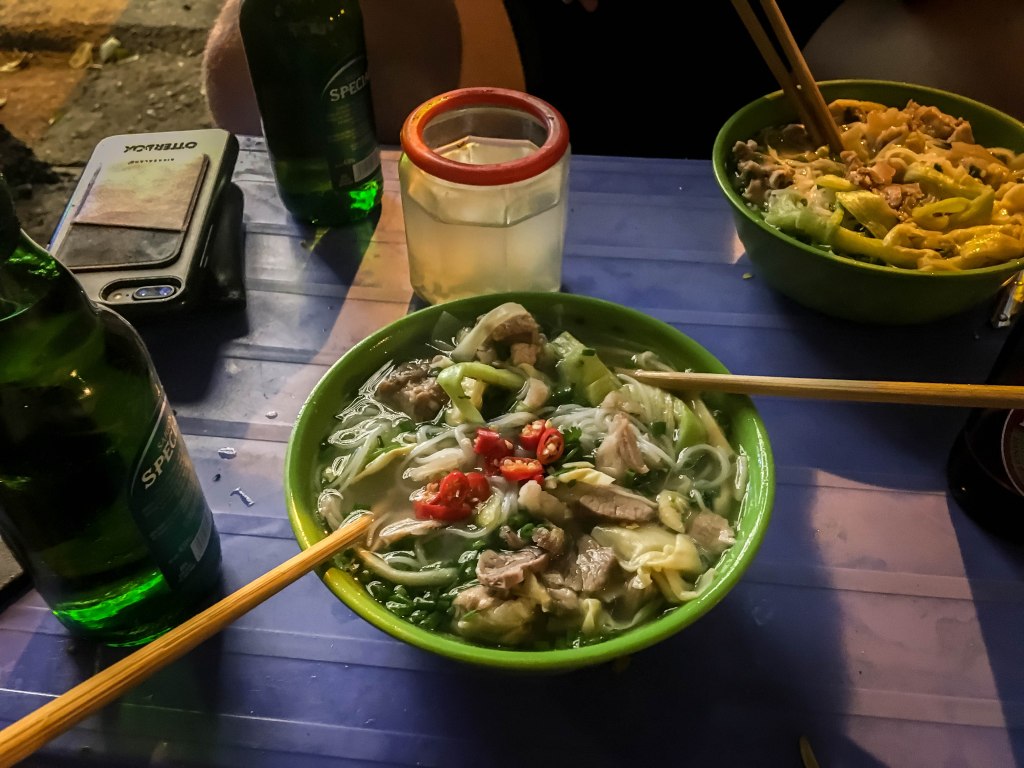
Arguably Vietnam’s most well-known export, the dish is said to have originated in a village outside of Hanoi in the early 20th century, and was made popular by the refugee diaspora after the Vietnam War. It seems that every Asian country has its own rendition of a hearty noodle soup, though pho and its Japanese cousin ramen receive the most widespread acclaim outside of their native borders.
My flight into Hanoi arrived around seven in the evening, and being quite the pho-natic (har har har), the first thing I did after checking into my hostel was venture out to find an ATM and hopefully a quality bowl of pho along the way.
With my wallet sufficiently stuffed, I looked for a place that would give my stomach the same satisfaction. While eyeing various joints along the block, a curbside menu outside of Don Duck caught my attention. (I didn’t take note of the name at the time, only verified during the writing of this article by referencing Google Maps.) The owner, not missing a beat, beckoned me in, not all that hard of a sell in my famished state. Normally not one to jump at the first opportunity, my hollow stomach allowed me to be led more easily down the garden path. Don Duck was a classier joint, a sit-down restaurant with laminated menus and smooth, wooden tables, as opposed to the classic low plastic tables and fun-sized stools that are the norm in most other places.
As duck was the pièce de résistance, I went ahead and ordered the duck pho along with a Bia Hanoi beer. And my goodness, it did not disappoint—it was absolutely magical, one of the richest, most decadent broths I’ve had in my life. The cold, crisp lager was the perfect complement to the warm, succulent stock, and I couldn’t have been more satisfied with my first pho experience in Vietnam.
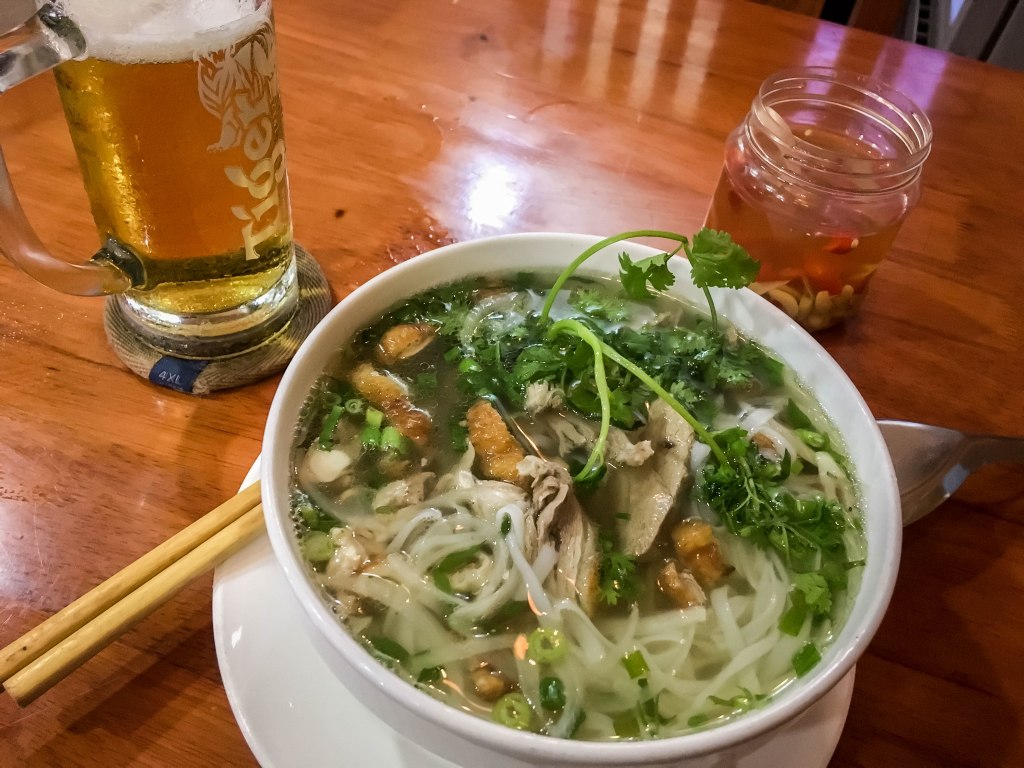
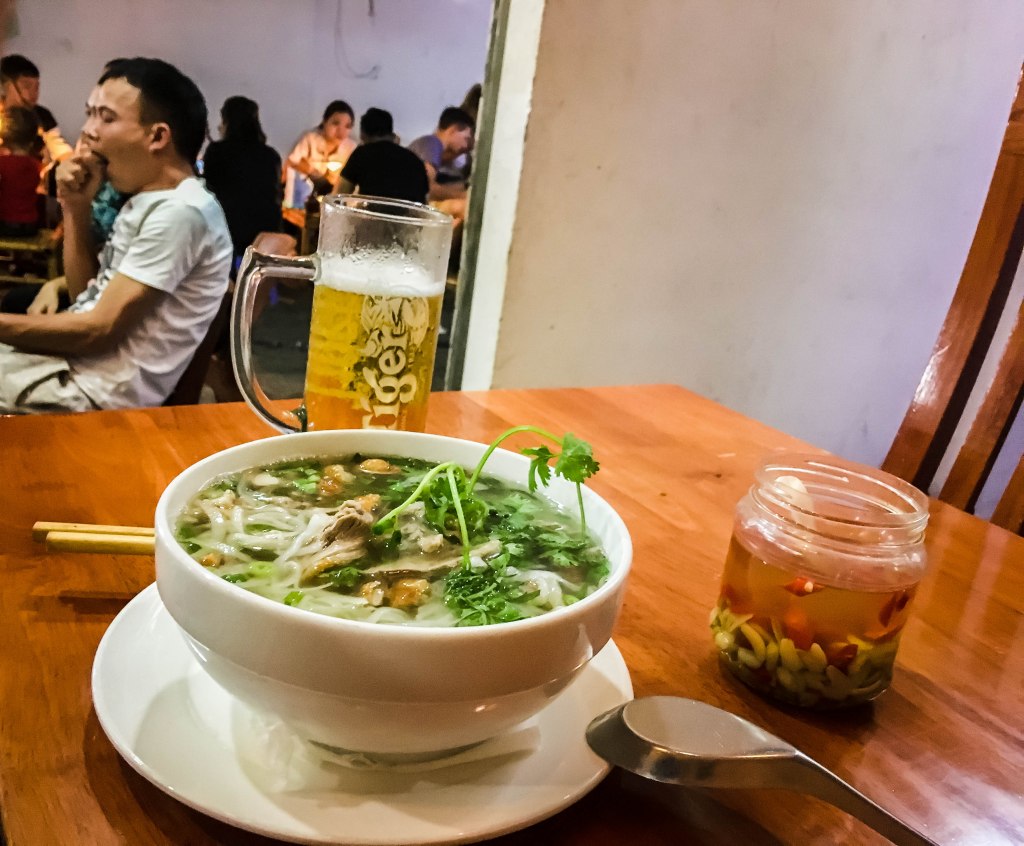
I did make a point to stop in at Pho Gia Truyen during my time in Hanoi, touted in numerous blogs to have the best pho bo (beef pho) in all the land. Located at 49 bat dan in the Old Quarter, you won’t miss it—the line is out the door, and like all the best street food spots in the city, it’s every man for himself when it comes to snagging a table.

The secret is already out about this place, so it’s a little more hectic. The large dining area is always jam-packed, with noticeably more internationals among the throng. While the food was delicious, I didn’t enjoy the experience quite as much. It was chock-full of paranoid tourists circling the dining area like sharks, aggressively diving for tables and defending their arbitrarily claimed turf. You likely won’t want to stay longer than it takes to slurp up your meal, getting the stink-eye from those waiting their turn for a seat.
While it was tasty, I didn’t find it to be all that superior to other bowls of pho bo that I had; not quite compelling enough for me to want to endure the lengthy wait and cut-throat crowds on a sophomore venture.
It’s difficult to get a bad bowl of pho in Northern Vietnam, as it’s essentially the national dish. The two restaurants listed make the cut, on account of the first impression being so overwhelmingly positive and the second being one that I specifically sought out due to multiple reviews exalting their noodle soup. Follow your nose and the mountainous napkin piles and you won’t be disappointed.
Bún Chả
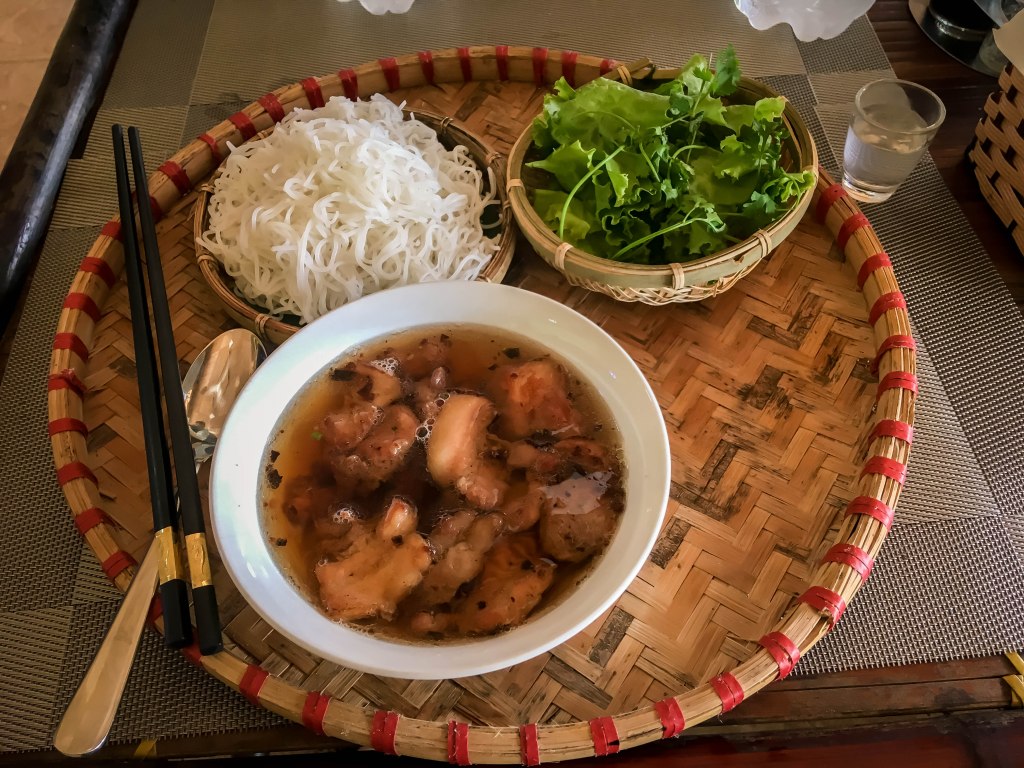
Bún Chả was one of my favorite food-related discoveries in Vietnam. I’d never heard of it before my time in Hanoi, though I’ve wondered since then if it goes by an anglicized pseudonym in stateside Vietnamese restaurants. Traditionally a breakfast or lunch dish, grilled pork is served in fish sauce accompanied by a plate of vermicelli noodles and fresh herbs. It is so, so good. I’d read a lot about it on various food and travel blogs, which all said it was a must-try dish, and Bún Chả Hanoi in the Old Quarter was lauded as one of the best places to get a plate in all of Vietnam.
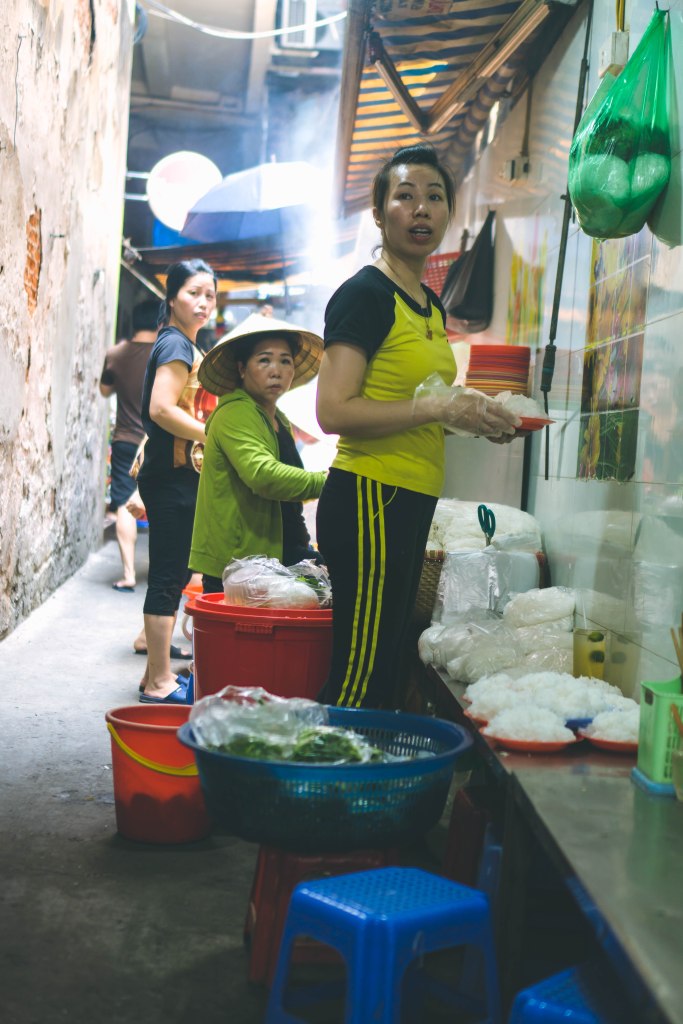
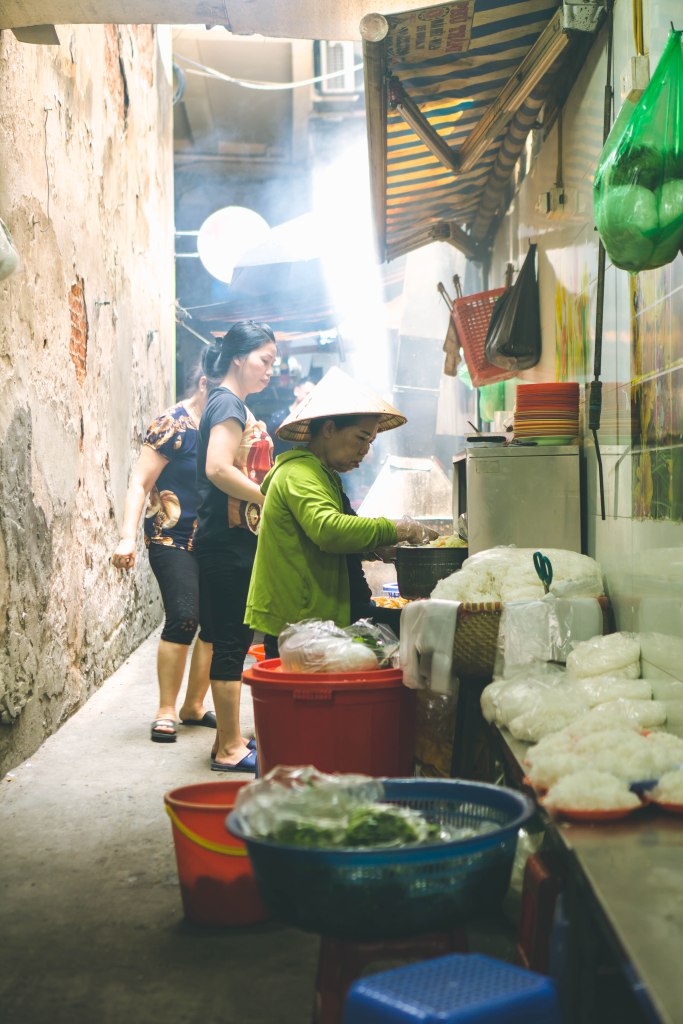
Bún Chả Hanoi a true hole-in-the-wall and absolutely charming, always busy during their hours of operation. I almost missed it while walking by a few times, as the restaurant is in an alley-like location with a very nondescript entrance. Like most street joints in Vietnam, it’s a one-in-one-out situation, meaning you’ll have to wait for someone else to get up before you can make a dash for a seat at the narrow ledge of a counter, bumping elbows with face-stuffing locals in the process. The dual cook/server likely won’t even take your order, bringing you a plate of the house specialty upon sitting down. They know what you’re here for.
I watched my neighbors’ technique, who mixed the vermicelli and herbs in the pork-laden sauce, dexterously fishing out a petite portion of the pork, herbs and noodles with their chopsticks for one coherent bite.
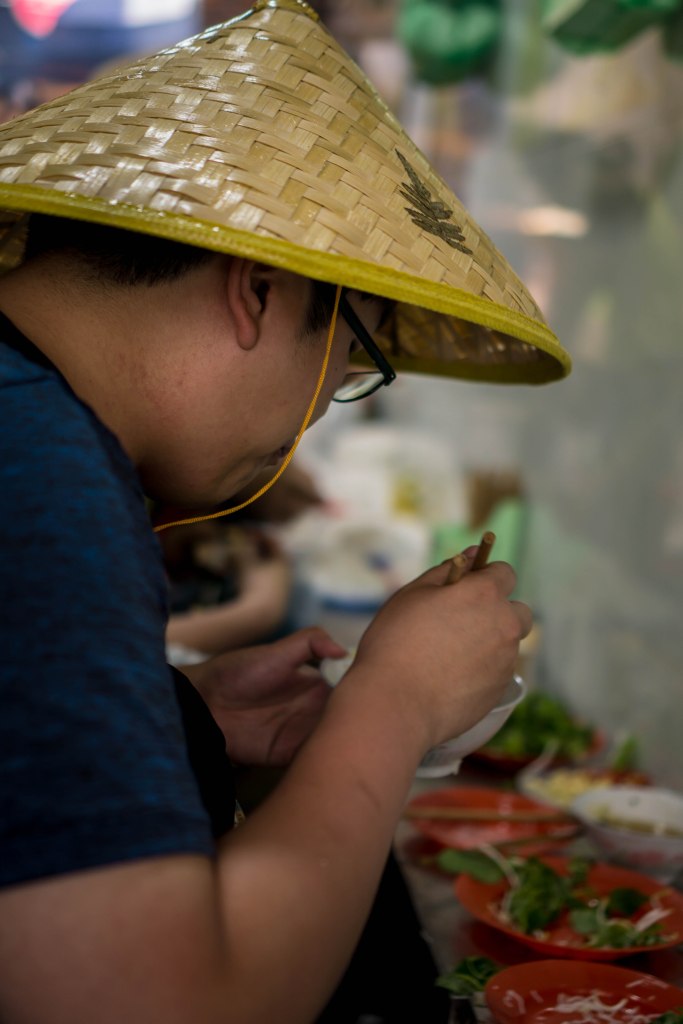
The savory pork and zesty herbs doused with the light tang of the fish sauce make for a fantastic flavor combination, and it was unlike anything I’d ever tried before. Writing about it now is making me wistful, longing to be be back at that cramped and chaotic little countertop awaiting my next helping.
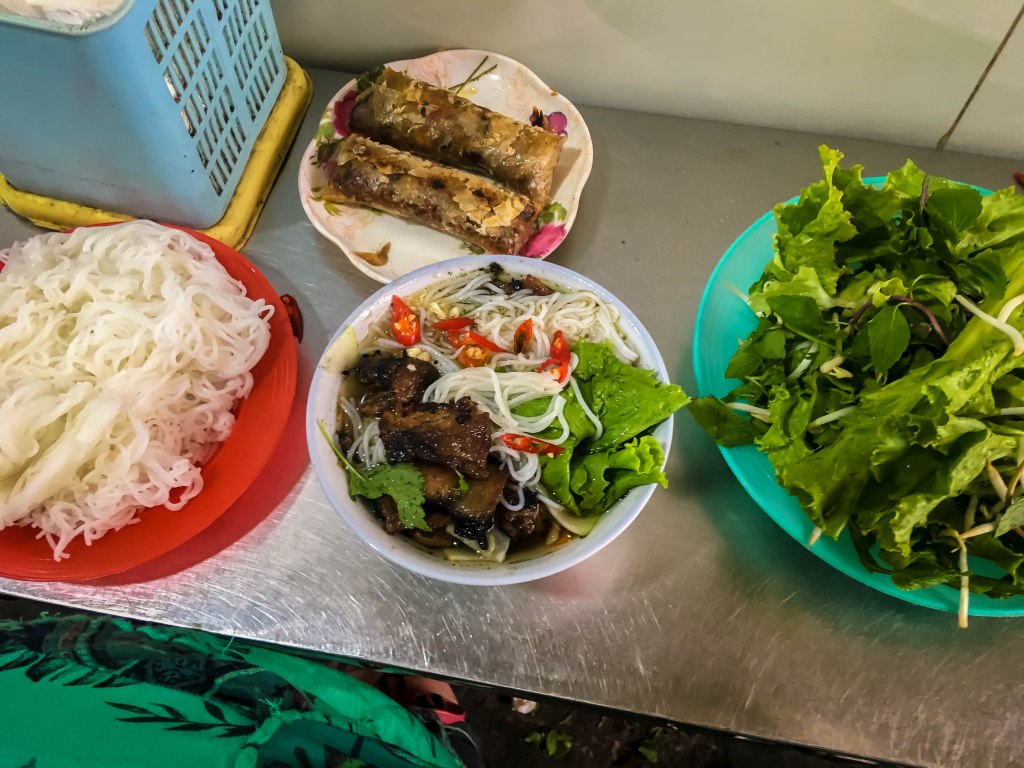
Bánh Cuốn & Nem Cua Bể – Same Same But Different?
Spring rolls are a way of life in Vietnam, and you’ll find many different variations on this dish throughout the whole of the country. The names differ as much as their preparation, with southerners referring to the beloved staple as chả giò while northerners call it nem rán.
As something of a novice in the Vietnamese culinary tradition, I tend to sort of group these two dishes in the same family. By my unsophisticated definition, I consider a spring roll to be any sort of rice-made wrap filled with a mix of protein and any variation of veggies—typically some combination of wood ear mushrooms, carrots, kohlrabi, bean sprouts, and jicama. Turns out my definition was a liiittle off.
The Hunt for Bánh Cuốn
On my second night in Hanoi, I went out with three friends from the hostel I was staying at and attempted to lead them towards a spot renowned for their bánh cuốn, a type of steamed rice noodle roll stuffed with pork, fresh herbs and wood ear mushrooms.
“Wanna stop here?” one of my companions asked, the four of us passing a fluorescently lit corner spot that was pretty crowded. I figured why not, all of us sitting down at a small table near the busy street. (Sometimes alterations to the original plan lead you to places and plates you’d never have encountered otherwise.)
A visibly busy older man wove his way through a maze of guests and tables, approaching us with a notepad at the ready. “Pho?” he asked, raising his eyes from said notepad.
“Bánh Cuốn?” I tried lightly, not sure if I was butchering the pronunciation.
“Ohhhh,” he said, nodding slowly before making his way towards the kitchen.
I suppose one of my favorite things about traveling is sometimes not being entirely sure what it is that you’re consuming, part of the spontaneity that’s inherent to adventure. A woman touted glasses of light beers on a tray like at a baseball game, and all of us grabbed a chilly mug as a plate of golden golden spring rolls arrived with the ubiquitous side plate of greens and fish sauce.
They looked different than the pictures of what I’d seen online; it was fried for one, and the filling didn’t taste exactly like pork, but I was hungry enough that I didn’t really care. The four of us greedily battled it out for the bite-sized fried treats with our chopsticks, enjoying them so much that we ordered another round after demolishing our first helping.
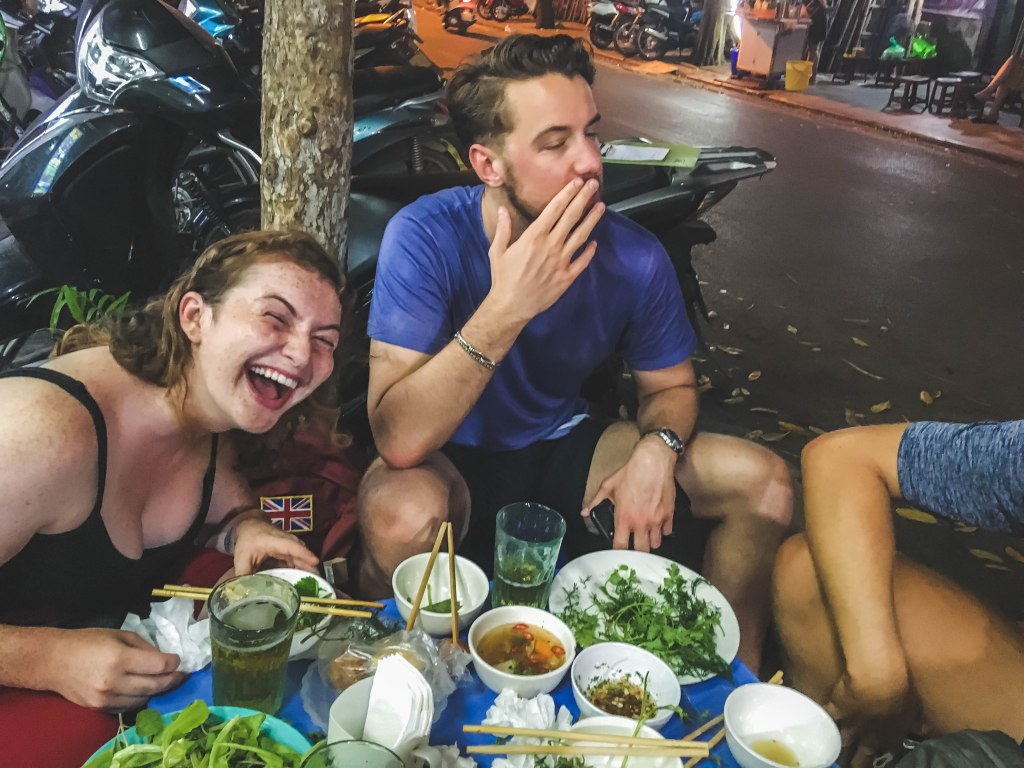
It wasn’t until a few days later that I realized we’d been served a different type of spring roll, what I later figured out was nem cua bể. Crab is the central player here, thrown in with a little pork, wood ear mushrooms, carrots, bean sprouts, and of course a little vermicelli. The mixture is then wrapped delicately in rice paper, chucked into a wok of hot oil and fried to golden perfection.
I did eventually get my bánh cuốn fix, our group making our way over to Bánh Cuốn Gia Truyen the following evening. Their principal dish did not disappoint: the thick gooey rice noodle filled with the savory pork and umami bounce of the mushrooms, juxtaposed with the crunch of the other veggies was an intriguing combination of flavors and textures, elegantly finished off with the zest of the fresh herbs and crisp fried shallots. The group was grateful for my persistence in tracking down this delicious and strange delicacy, with one round not enough to satiate the four of us.
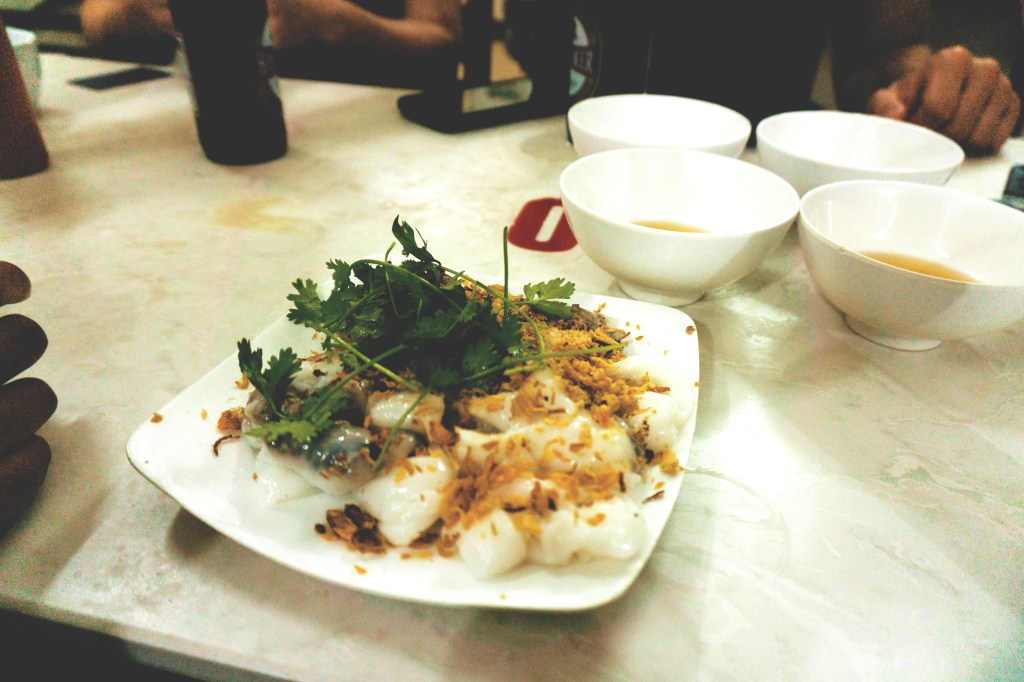
Not being so inclined towards seafood myself, I probably never would’ve ordered nem cua bể on my own. But I ended up very happy in this instance for the loss in translation.
Noodled Out?
If you find yourself craving something other than Vietnamese food during your time in Hanoi, here are a few options that offer a tasty respite.
Hanoi Taco Bar – Old Quarter
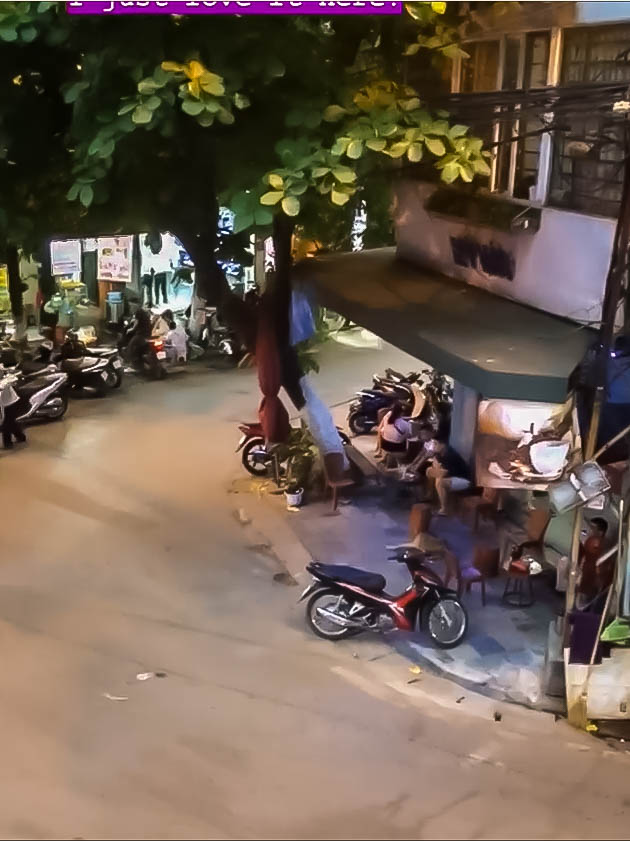
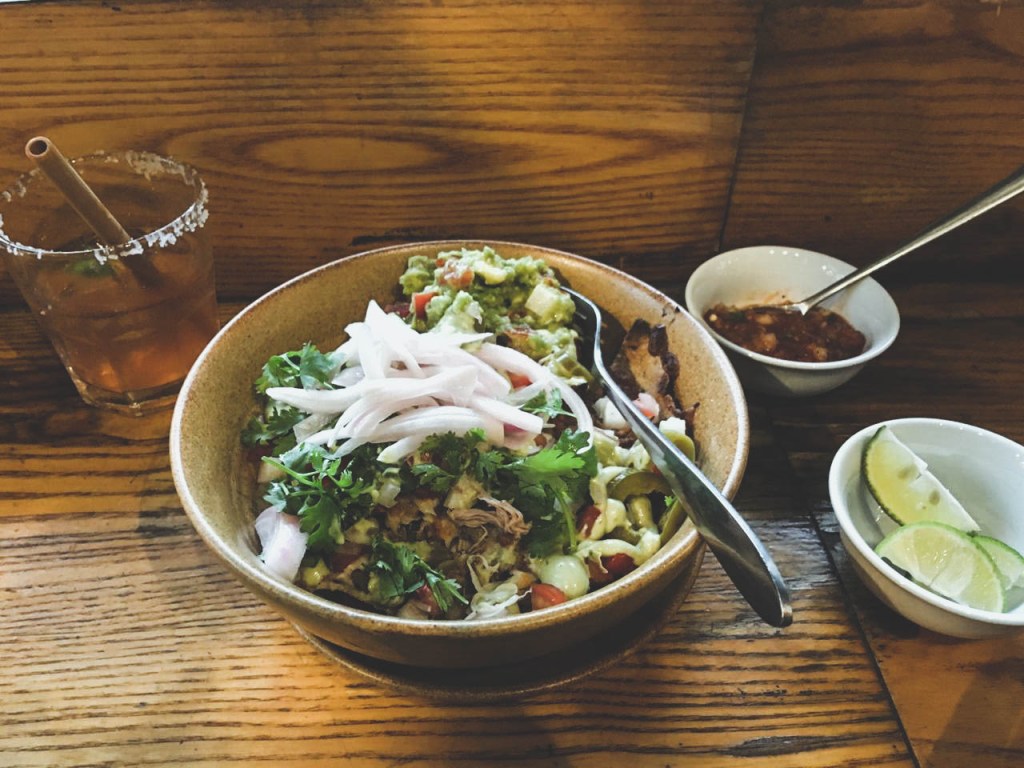
Though a little high brow by Vietnamese standards, Hanoi Taco Bar is still a bargain for upscale Mexican fare compared to most places back home. The drinks and food are tasty and well-prepared, but for me the real selling point was the upstairs balcony. For anyone who loves people-watching it’s a must, with the balcony providing a panoramic bird’s eye view over a vibrant and bustling intersection of the Old Quarter. I went back a few times during my time in Hanoi, mainly just for the upper patio views during happy hour. The margaritas are great, as are the queso, guacamole, and nachos.
Unfortunately I have only these low-quality pictures of two-thirds of the view, stills from an Instagram video I took on my travel phone:

Pizza 4P’s – Hoan Kiem District
It is exceptionally hard to find good pizza in Southeast Asia, which makes sense as dairy isn’t really part of the Asian diet. Being from a country where pizza is something of an institution, going 4.5 months going without a decent slice of ‘za was a bit of a personal challenge. After a few demoralizing pies throughout my trip where watered-down ketchup served as marinara, I’d come to accept that my pizza fetish would have to be put off until I returned back home to the states.
Walking into Pizza 4P’s was strangely discombobulating, a swanky pizzeria that feels more Brooklynite than Hanoian. Floor-to-ceiling windows from the street look into the industrial chic interior composed of concrete and brick elements and a smartly arranged dining area of modest wooden tables and white tile floors. The waitstaff there are skilled professionals who provide swift and unobtrusive service, with the pared-down interior serving as the perfect foil for the innovative and decadent menu. The food speaks for itself, with most items made from locally sourced ingredients—even the mozzarella!—in an open-air kitchen where granite counter bartops allow guests to sit facing the chefs loading their carefully crafted creations into wood-fired ovens.
The pizza is Neapolitan style, and truly some of the best I’ve ever had. We split two pizzas, the first pie the Burrata Parma Ham and the second a Four-Cheese pizza with honey. Both were awesome.
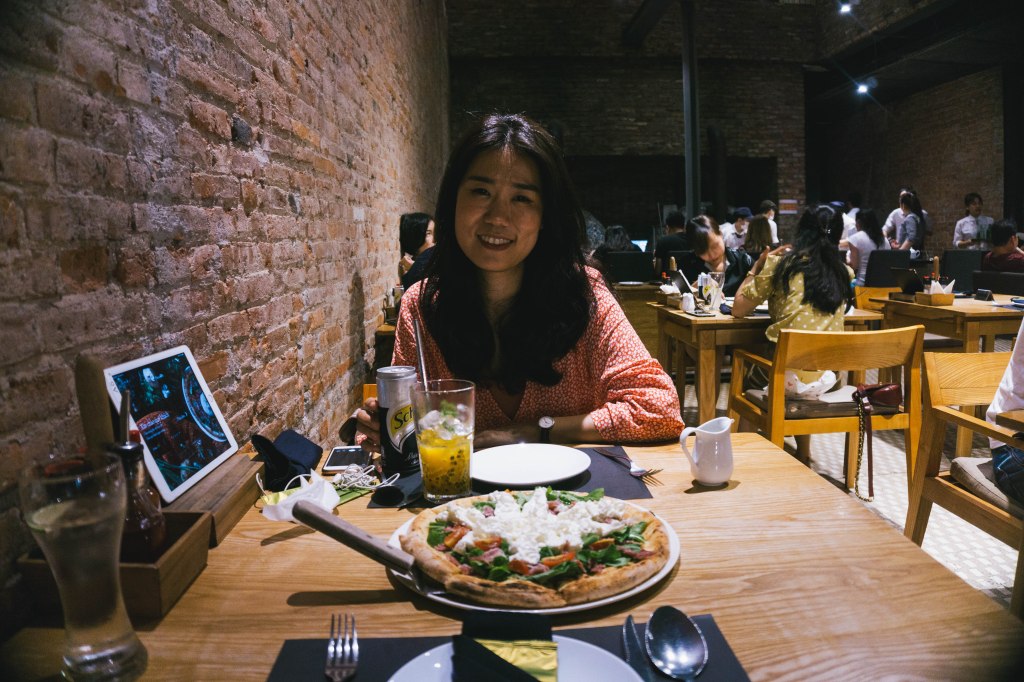
More bourgeois than curbside, I would never have come across this place if not for my sweet Korean friend Areum, a Hanoi local who wanted to go here for her birthday. The line was out the door when we arrived, and with good reason; if you’re not in the mood to wait 45 minutes to an hour, a reservation might not be a bad idea. (As for us, we killed time by heading down the street for some ice cream while waiting.)
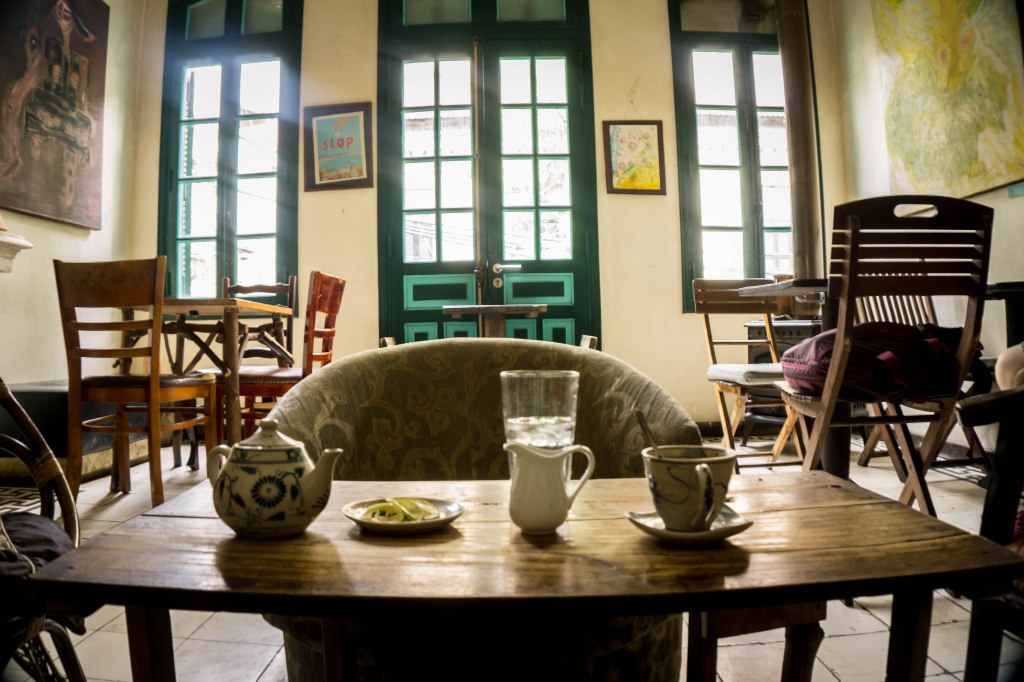
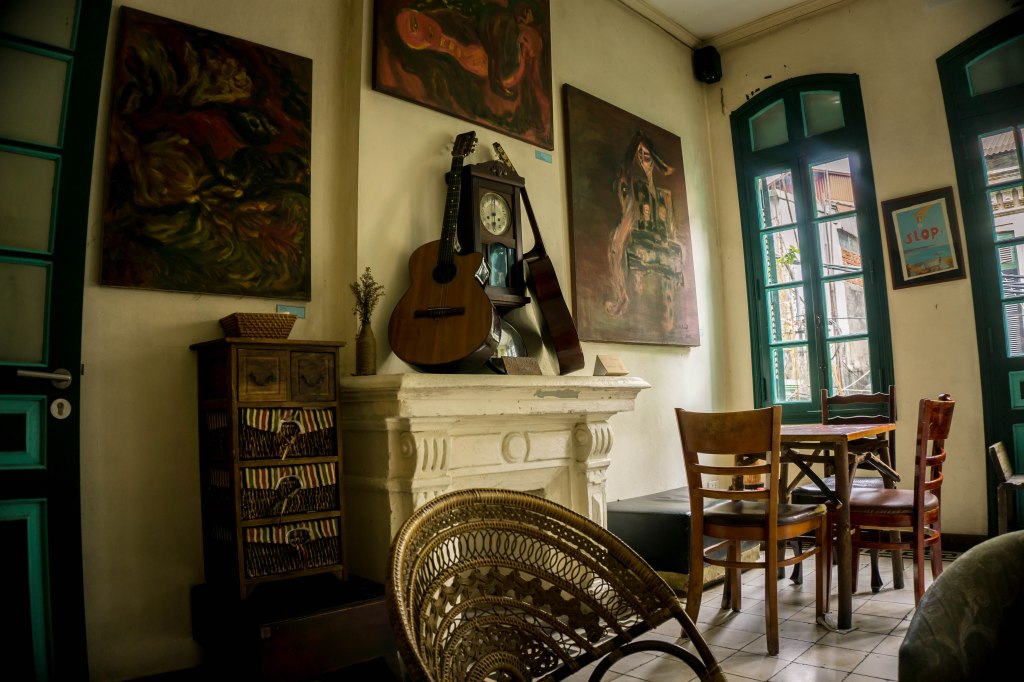
Hanoi Social Club
I’ve detailed this place more thoroughly in another article, but the Hanoi Social Club is definitely worth a look on a visit to its eponymous city—if not for the food, definitely for the atmosphere. They offer lots of vegan and vegetarian options on their menu as well as the classic Vietnamese egg coffee, but in my opinion the real winner here is the poetic ambiance.
In need a craft beer fix? Check out Pasteur Street Brewing Company.
Unfortunately I never made it over to Pasteur Street Brew Co as a beer tasting sadly wasn’t in my budget, but as a craft beer aficionado I figured it was worth mentioning. Microbreweries are something of a rarity in Asia, and if you’re craving a more full-bodied quaff than the standard uncomplicated light lagers, consider making a pitstop at their taproom in Hoan Kiem.
Welp, that’s about it from me!
While not a comprehensive list, these were the foods and restaurants that made a lasting impression on me during my week in Hanoi, and I hope that this list has given a few pointers to those planning on visiting Vietnam’s capital city. Special thanks to TripAdvisor, my trusted reference whenever I’m on the road, the blog Will Fly For Food for their helpful and enticing posts on Hanoi, and my dear friend Areum, who introduced me to several really cool spots around the city that I may not have had exposure to otherwise.
 blogdungsroman
Great post 👍
Thanks so much! Glad you enjoyed it. 😊